Three Men and a Woman Executed in Shiraz
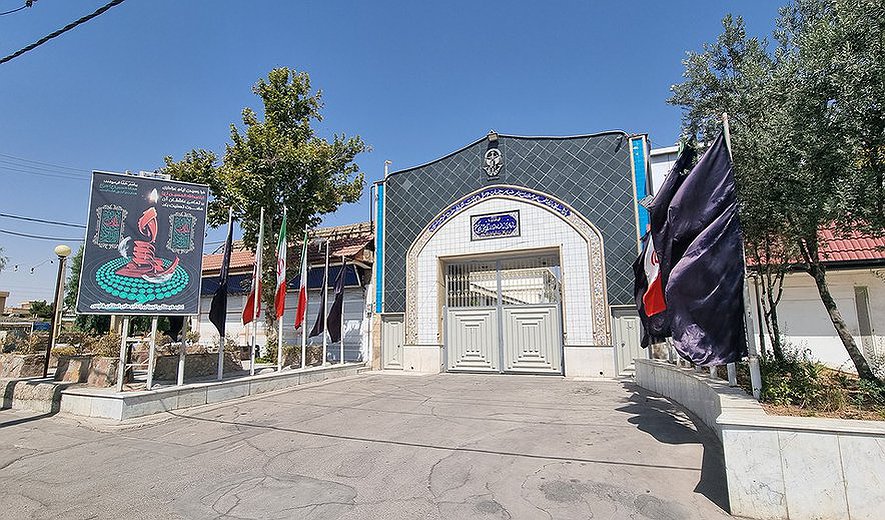
Iran Human Rights (IHRNGO); July 21, 2024: Mansour Tavakoli, Hamed Shekasteh, Mohsen Ostovari and a woman only identified as Ms Mahmoudinia were executed in Shiraz Central Prison.
According to information obtained by Iran Human Rights, three men and a woman were executed in Shiraz (Adel Abad) Central Prison on 20 July. The woman and two of the men were sentenced to qisas (retribution-in-kind) for murder and the third man was on death row for rape charges.
The identities of the men executed for murder have been established as Mansour Tavakoli and Hamed Shekasteh, both 40 years old. The man executed for rape charges has been identified as Mohsen Ostovari.
The woman who has only been identified as Ms Mahmoudinia (first name unknown), was also on death row for murder.
The men were transferred from Pirbanu Prison to Shiraz Central Prison for the execution of their sentences on Thursday morning.
An informed source regarding the execution of these three prisoners told IHRNGO: "Mansour Tavakoli was arrested three years ago and sentenced to death. Hamed Shekasteh was also arrested about three years ago and sentenced to death."
The source continued: "Ms Mahmoudinia was arrested and sentenced to death for the murder of her fiancé. She was unwilling to marry him and was forced into the engagement by her family."
Ms Mahmoudinia was the 11th woman executed in 2024.
The execution of these four prisoners has not been announced by Iranian domestic media or official sources at the time of writing.
Those charged with the umbrella term of “intentional murder” are sentenced to qisas (retribution-in-kind) regardless of intent or circumstances due to a lack of grading in law. Once a defendant has been convicted, the victim’s family are required to choose between death as retribution, diya (blood money) or forgiveness.
In 2023, at least 282 people including two juvenile offenders and 15 women, were executed for murder charges, the second highest number of qisas executions since 2010. Only 20% of the recorded qisas executions were announced by official sources. In 2023, Iran Human Rights also recorded 857 cases of families choosing diya or forgiveness instead of qisas executions.
More from @ihrights
IHRNGO is building a strong civil society, through empowerment of the citizens, promoting and defending the human rights.
Latest Cartoon