Possible Child Offender Soleiman Abbaspour and Ezat Seyedi Executed in Zanjan
Iran Human Rights (IHRNGO); November 7, 2024: Soleiman Abbaspour, a possible child offender on death row for murder was executed in Zanjan Central Prison on Saturday. Yesterday, a man named Ezat Seyedi who according to his relatives, suffered from “intellectual disabilities,” was executed for unintentionally killing his friend while they were joking around with a rifle.
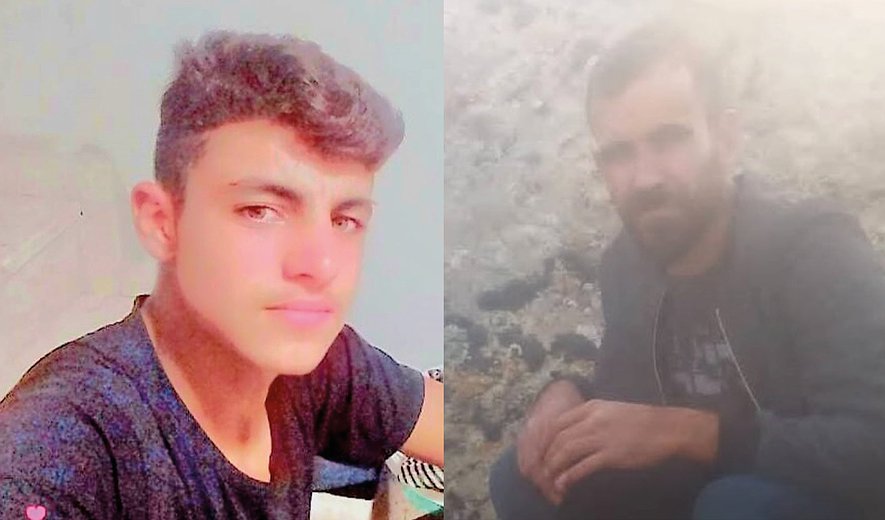
According to information obtained by Iran Human Rights, a man was executed in Zanjan Central Prison on 2nd November. His identity has been established as 21-year-old Soleiman Abbaspour (left photo) who was was sentenced to qisas (retribution-in-kind) for murder by the Criminal Court.
An informed source told IHRNGO: “Soleiman was transferred to Zanjan Central Prison from the Correctional Centre and was arrested four years ago and was 16 years and 11 months old at the time of his alleged offence. He stated in court that the victim was drunk and had tried to rape him but the court didn’t accept his defence and even ignored the fact that he was under 18 at the time.”
According to the source, there are currently six child offenders on death row in Zanjan Central Prison who are scheduled to be executed.
At the time of writing, IHRNGO has not been able to verify Soleiman’s age through document evidence and continues its efforts to confirm his age.
Furthermore, another man was executed at the prison on 6th November. His identity has been established as Ezat Seyedi (right photo), a 40-year-old man also on death row for murder.
“Ezat Seyedi was arrested for murder five years ago. He suffered from intellectual disabilities and was on medication. He was accused of killing his friend while they were joking around with a rifle,” the source added.
At the time of writing, their executions have not been reported by domestic media or officials in Iran.
Those charged with the umbrella term of “intentional murder” are sentenced to qisas (retribution-in-kind) regardless of intent or circumstances due to a lack of grading in law. Once a defendant has been convicted, the victim’s family are required to choose between death as retribution, diya (blood money) or forgiveness. Crucially, while an indicative amount is set by the Judiciary every year, there is no legal limit to how much can be demanded by families of the victims. IHRNGO has recorded many cases where defendants are executed because they cannot afford to pay the blood money.
In 2023, at least 282 people including two juvenile offenders and 15 women, were executed for murder charges, the second highest number of qisas executions since 2010. Only 20% of the recorded qisas executions were announced by official sources. In 2023, Iran Human Rights also recorded 857 cases of families choosing diya or forgiveness instead of qisas executions.
More from @ihrights
IHRNGO is building a strong civil society, through empowerment of the citizens, promoting and defending the human rights.
Latest Cartoon