Taghi Damghani Second Man Publicly Hanged in Kordkuy
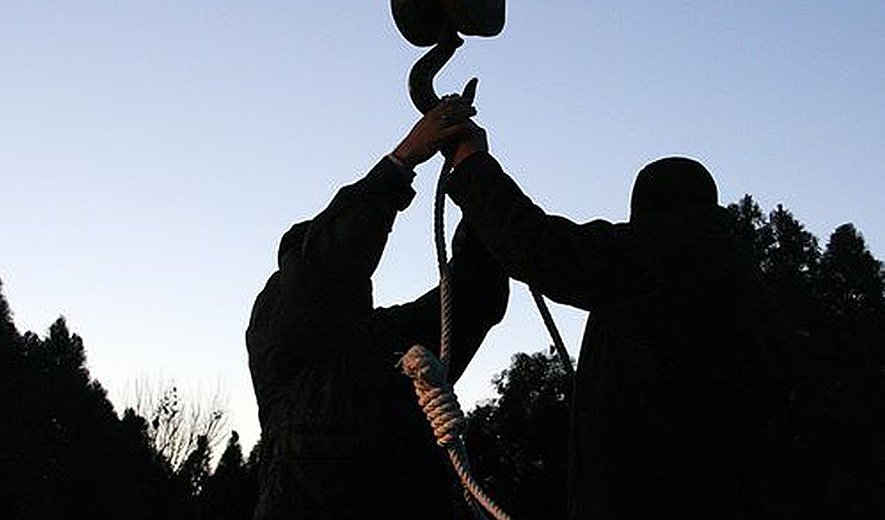
Iran Human Rights (IHRNGO); August 21, 2025: Taghi Damghani, a man on death row for the murder of three people, was publicly executed in Kordkuy city.
According to the judiciary’s Mizan News Agency, a man was publicly hanged in Kordkuy city in Golestan province on 21 August 2025. The unnamed man was reportedly arrested for the murder of a couple and another woman in December 2024 and sentenced to qisas (retribution-in-kind) by Branch 2 of the Golestan Criminal Court.
IHRNGO has established his identity as Taghi Damghani. He is the second person to be publicly hanged in Iran in the past week.
IHRNGO Director, Mahmood Amiry-Moghaddam previously stated: “The death penalty, especially when carried out publicly, is not only cruel and degrading, but also promotes a culture of violence. The authorities use these executions to intimidate people and instill a sense of helplessness as a means of preventing dissent. The international community, particularly countries maintaining diplomatic ties with the Islamic Republic, must condemn executions in Iran, and public hangings in particular, in the strongest possible terms.”
Taghi Damghani is the seventh person to be publicly hanged in Iran in 2025. Iran is one of the few countries in the world to carry out executions in public spaces. 2021 was the only year in more than a decade that the Islamic Republic did not carry out any public executions, partly due to the COVID-19 pandemic that year. Public executions resumed in 2022 with two people being hanged, and in 2023 the number of public executions rose again to seven. In 2024, four people were executed in public in Iran.
Those charged with the umbrella term of “intentional murder” are sentenced to qisas(retribution-in-kind) regardless of intent or circumstances due to a lack of grading in law. Once a defendant has been convicted, the victim’s family are required to choose between death as retribution, diya (blood money) or forgiveness.
Crucially, while an indicative amount is set by the Judiciary every year, there is no legal limit to how much can be demanded by families of the victims. IHRNGO has recorded many cases where defendants are executed because they cannot afford to pay the blood money. Should the victim’s family choose execution, they are not only encouraged to attend, but also to physically carry out the execution themselves.
According to IHRNGO’s 2024 Annual Report on the Death Penalty, at least 419 people including a juvenile offender and 19 women, were executed for murder charges, the highest number of qisas executions since 2010. Only 12% of the recorded qisas executions were announced by official sources. In 2024, Iran Human Rights also recorded 649 cases of families choosing diya or forgiveness instead of qisas executions. In the first seven months of 2025, at least 310 people were executed for murder charges in Iran.
More from @ihrights
IHRNGO is building a strong civil society, through empowerment of the citizens, promoting and defending the human rights.
Latest Cartoon