3 Men Hanged for Rape and Armed Robbery in Shiraz
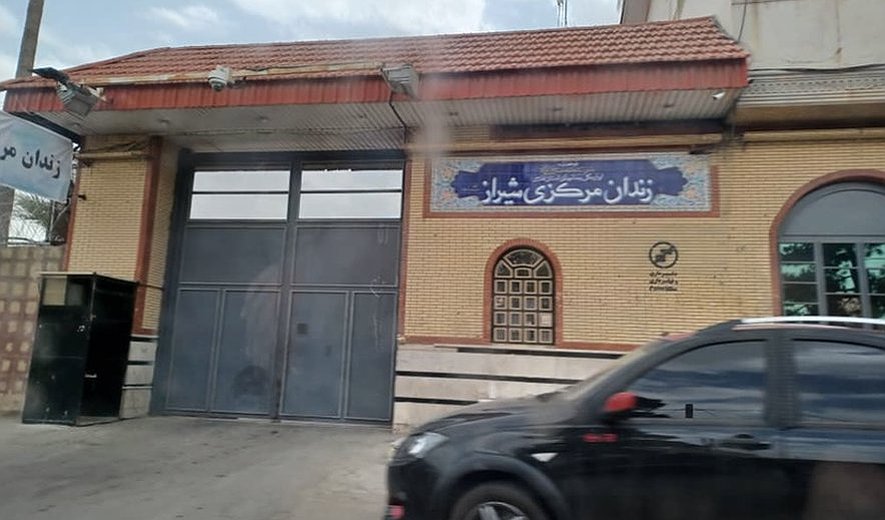
Iran Human Rights (IHRNGO); January 3, 2026: Khalil Rahmani, Fahim Rasoulzadeh and Asghar Shahi were executed for rape or armed robbery charges in Shiraz Central Prison.
According to information obtained by Iran Human Rights, three men were hanged in Shiraz (Adel Abad) Central Prison on 3 January 2026. One of the men who was on death row for rape has been identified as 28-year-old Asghar Shahi from Isfahan. He was arrested two years ago.
The other two men were sentenced to death on charges of moharebeh (enmity against god) through armed robbery. Their identities have been established as 30-year-old Khalil Rahmani from Hamedan and 26-year-old Fahim Rasoulzadeh from Kazeroun. Khalil was arrested three years ago and Fahim, around two years ago.
At the time of writing, their executions have not been reported by domestic media or officials in Iran.
Article 279 of the IPC defines moharebeh (enmity against God) as: “drawing a weapon on the life, property or honour of the public or causing them terror, in a way that creates an environment of insecurity.” When a person draws a weapon on one or several specific individuals with personal motives, but their action does not have a public element, and also a person who draws a weapon on the public but does not create an atmosphere of insecurity due to their incompetence, they shall not be considered a mohareb (person who commits moharebeh).
Article 281 of the IPC stipulates that “bandits, robbers and smugglers who resort to arms and disrupt the security of the public and roads, shall be considered mohareb.”
Article 282 of the IPC sanctions the death penalty in cases of moharebeh. However, power is granted to judges to impose the alternative punishments of crucifixion, amputation of the right hand and left foot, or domestic exile away from the defendant’s hometown.
More from @ihrights
IHRNGO is building a strong civil society, through empowerment of the citizens, promoting and defending the human rights.
Latest Cartoon