IHRNGO Warns of Protester Death Sentences, Executions and Extrajudicial Killings
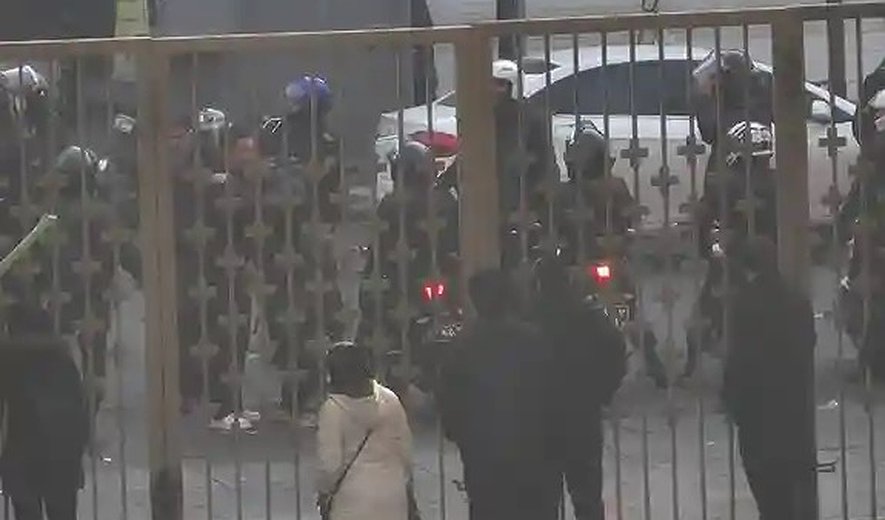
Iran Human Rights (IHRNGO); 4 February 2026: Following the bloody crackdown on nationwide protests across Iran, IHRNGO estimates that more than 40,000 people arrested in relation to the protests are currently being held in detention centres, prisons, and unofficial or secret facilities under the control of the Islamic Revolutionary Guard Corps (IRGC) and the Ministry of Intelligence. Many of those detained are being held incommunicado, without access to their families or lawyers, and entirely outside any meaningful judicial oversight.
At the same time, senior Islamic Republic officials, including the Head of the Judiciary, have publicly ordered “hasty trials” and “harsh punishments” and protesters have been systematically labelled as “terrorists,” “foreign agents,” and mohareb (enemies of God), charges that carry the death penalty under Iranian law. Since the first week of the protests, state media have broadcast hundreds of forced confessions, extracted under coercion, torture, and threats against detainees and their families.
IHRNGO has also received multiple reports that injured protesters have been finished off with a coup de grâce or intentionally deprived of medical treatment in detention, leading to their deaths. In addition, IHRNGO has received credible but as yet unverified reports that some detainees have already been secretly executed in several prisons, reports that the organisation is currently investigating.
Given the Islamic Republic’s systematic and widespread use of lethal force with the clear intention of killing after the nationwide internet shutdown, together with its long-established practice of issuing death sentences based on confessions obtained under torture, its total disregard for due process, and its history of hasty and secret executions, IHRNGO warns that the detainees are now facing an escalating risk of mass death sentences, executions and extrajudicial killings.
The situation of those detained in relation to the protests is an emergency requiring immediate international attention and action.
IHRNGO Director, Mahmood Amiry-Moghaddam stated: “To prevent new protests and cling to power, the Islamic Republic is trying to impose a rule of fear and terror through executions, the regime’s most powerful instrument for terrorising society. We are extremely concerned that the mass killing of protesters on the streets will now continue inside prisons and detention centres. Thousands of detained protesters are helpless, held under inhumane conditions, exposed to torture, and at imminent risk of being killed or executed after sham trials. The international community has a legal and moral responsibility to act now to protect their lives.”
According to information obtained by IHRNGO, hundreds are reportedly facing death penalty charges and sentences in relation to the nationwide protests. On 27 January, the Islamic Republic announced the first public trial of protesters. This is while families and friends have been reporting on unannounced cases of protesters at risk of the death penalty. Due to the judiciary’s lack of transparency, it is highly likely that many more protesters may have already been charged or convicted than reported.
IHRNGO has identified three major and overlapping threats facing detained protesters at present. First, wounded protesters are at risk of being killed through the deliberate denial of medical treatment or as a result of torture in custody. Second, IHRNGO has received multiple reports of secret executions carried out without any judicial process, which it is continuing to investigate. Third, a growing number of protesters will be sentenced to death following grossly unfair proceedings, and their executions are likely to be publicly announced by the authorities as a tool of intimidation.
Secret Extrajudicial Executions
On 22 January, relatives of Ali Rahbar,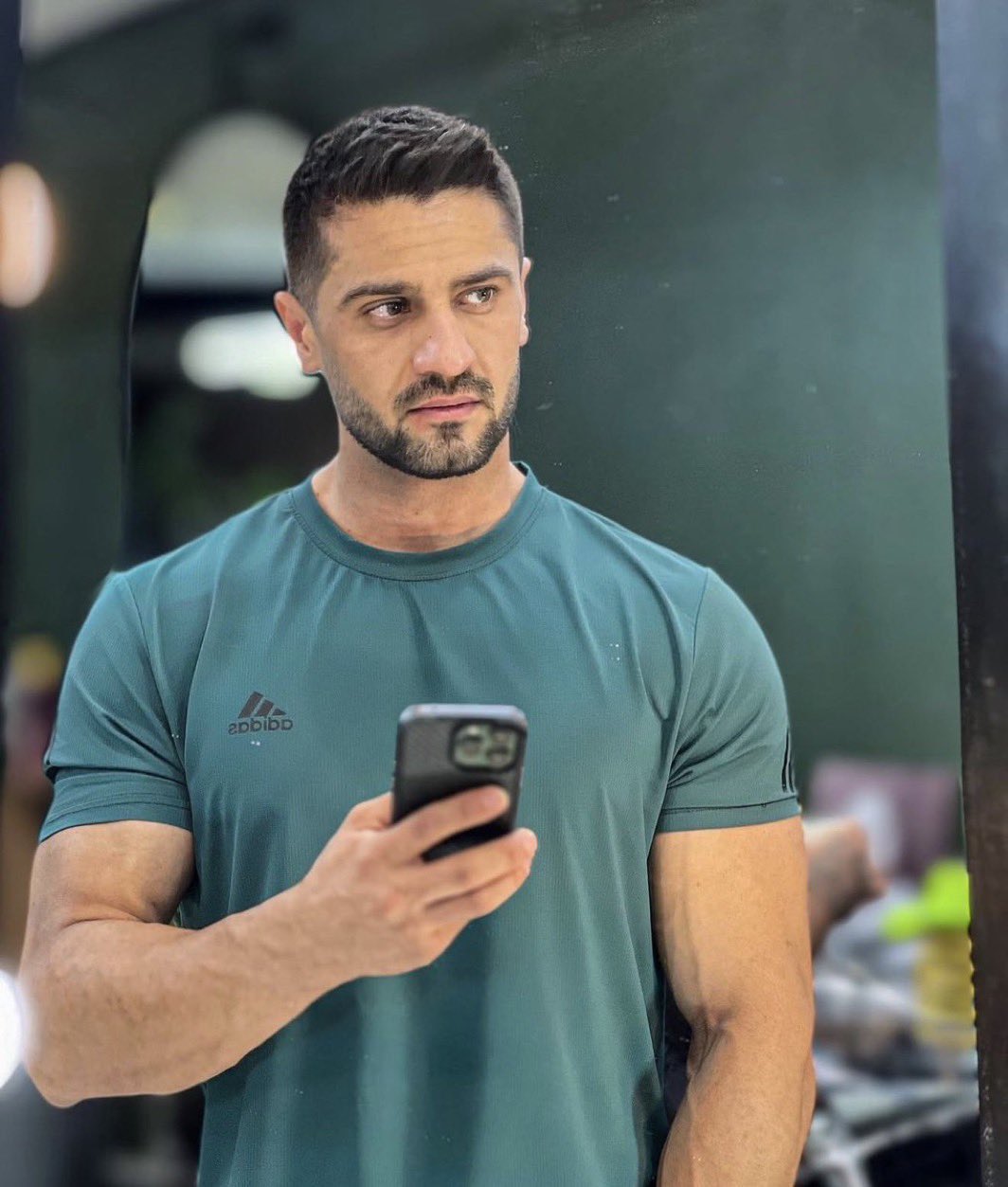 a 33-year-old personal trainer, told a BBC Persian journalist that he had been secretly executed in Mashhad (Vakil Abad) Central Prison. He was reportedly arrested on 8 January.
The next day, on 23 January, the judiciary’s Mizan News Agency wrote: “Some counter-revolutionary social media accounts have spread false news claiming that a person named Ali Rahbar was arrested during the recent unrest in Mashhad and was executed yesterday. Follow-up investigations indicate that no such person was in custody in the prisons of Khorasan Razavi province, and therefore no death sentence was issued or carried out for him.”
However, Ali Rahbar’s name was included in the official list released by the presidential office on 1 February (row 1285). According to the statement, the list of 2,986 people killed during the nationwide protests was compiled by the Legal Medicine Organisation and cross-checked against the national civil registry.
In addition, IHRNGO has received unconfirmed but credible reports of the secret execution of a number of protesters in three prisons. These reports are currently under further investigation.
At Risk of Death Penalty Charges and Sentences
As well as the cases detailed below, dozens of other protesters have also been reported to be facing death penalty charges. IHRNGO has not been able to independently confirm these reports. According to a statement issued by the judiciary’s Mizan News Agency on 3 February, “cases related to the recent unrest and alleged terrorist incidents are still under review by judicial authorities, and no final rulings have been issued.” However, in numerous cases, families or detainees have been verbally informed of the issuance of death sentences, without any written or judicial documentation. Families are also being threatened to and coerced into silence in order to prevent them from drawing public attention to their loved ones’ cases.
Protesters reported to be at risk of death penalty charges include (in alphabetical order): Ali Gilani, Ali Rezaei, Ali Safari, Alireza Lotfi, Ameneh Raisi, Amin Gholami, Amin Khaneh Shishdar, Amin Pourfarhang, Amir Mohammad Mojalal Choubari, Amirhossein Azarpira, Amirhossein Ghaderzadeh, Amirhossein Sarhadi, Armin Assadzadeh, Arshia Mehrz, Ashkan Talebi, Borhan Samikia, Farshad Mahmoudian, Farzad Ghaderi, Hamed Mollahosseini, Massoud Babayi, Mehdi Naghdi, Milad Movaseghi, Mohammad Amin Bigleri, Mohammad Hossein Hosseini, Mohammad Mohammadi, Omid Ara, Omid Janami, Parviz Khosravi, Pedram Safarpour, Rasoul Salehi, Rouzbeh Sianki, Saeed Abedi, Sahand Abbasnia, Salah Yousefi, Saleh Mohammadi, Sasan Khodaparast, Seyed Morteza Hosseini and Vali Kouhshari.
Furthermore, a young soldier named Javid Khales is reportedly facing death penalty charges in Isfahan Central Prison for refusing to fire on protesters.
In the following section, IHRNGO presents a number of cases of detainees who are at imminent risk of hasty trials and execution, as their forced confessions to the killing of security forces have been broadcast by state media, a pattern that has historically preceded executions in Iran.
Mohammad Abbasi and Unidentified Daughter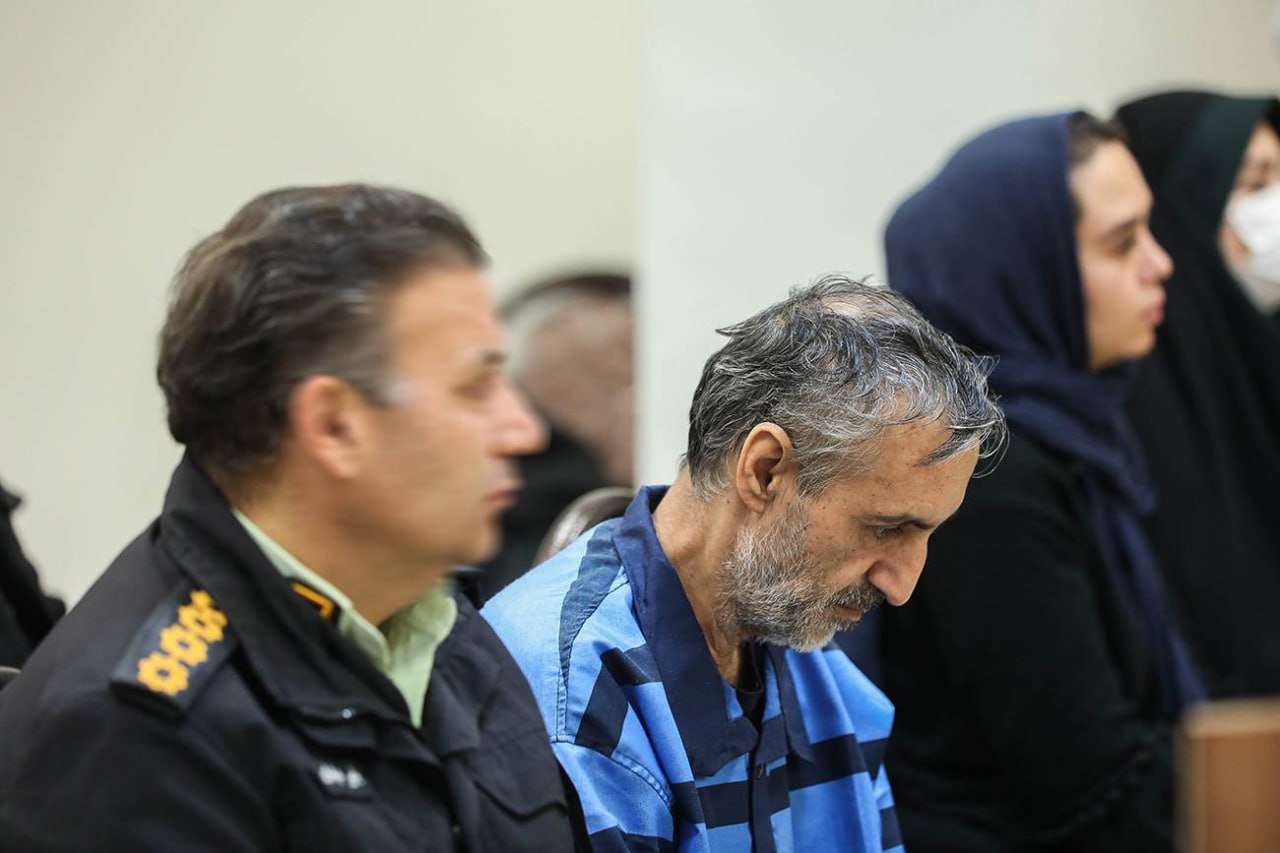
Photo: Mohammad Abbasi and his daughter in court
The judiciary’s Mizan News Agency announced the trial of a 55-year-old protester named Mohammad Abbasi and his unnamed female co-defendant by the Tehran Revolutionary Court on 27 January 2026. Mohammad is accused of “aiding and abetting and cooperation with the child-killing Zionist regime, the government of the United States, and hostile groups and their affiliated agents, leading to the killing of a police officer, Colonel Shahin Dehghani Kakavandi, as a result of inflicting multiple stab wounds with a bladed weapon” on 7 January in Malard, Tehran. It further states that: “The accused, by drawing a bladed weapon under wartime and security conditions, caused fear and terror, undermined public security, and ultimately directly participated in the killing of the police officer.”
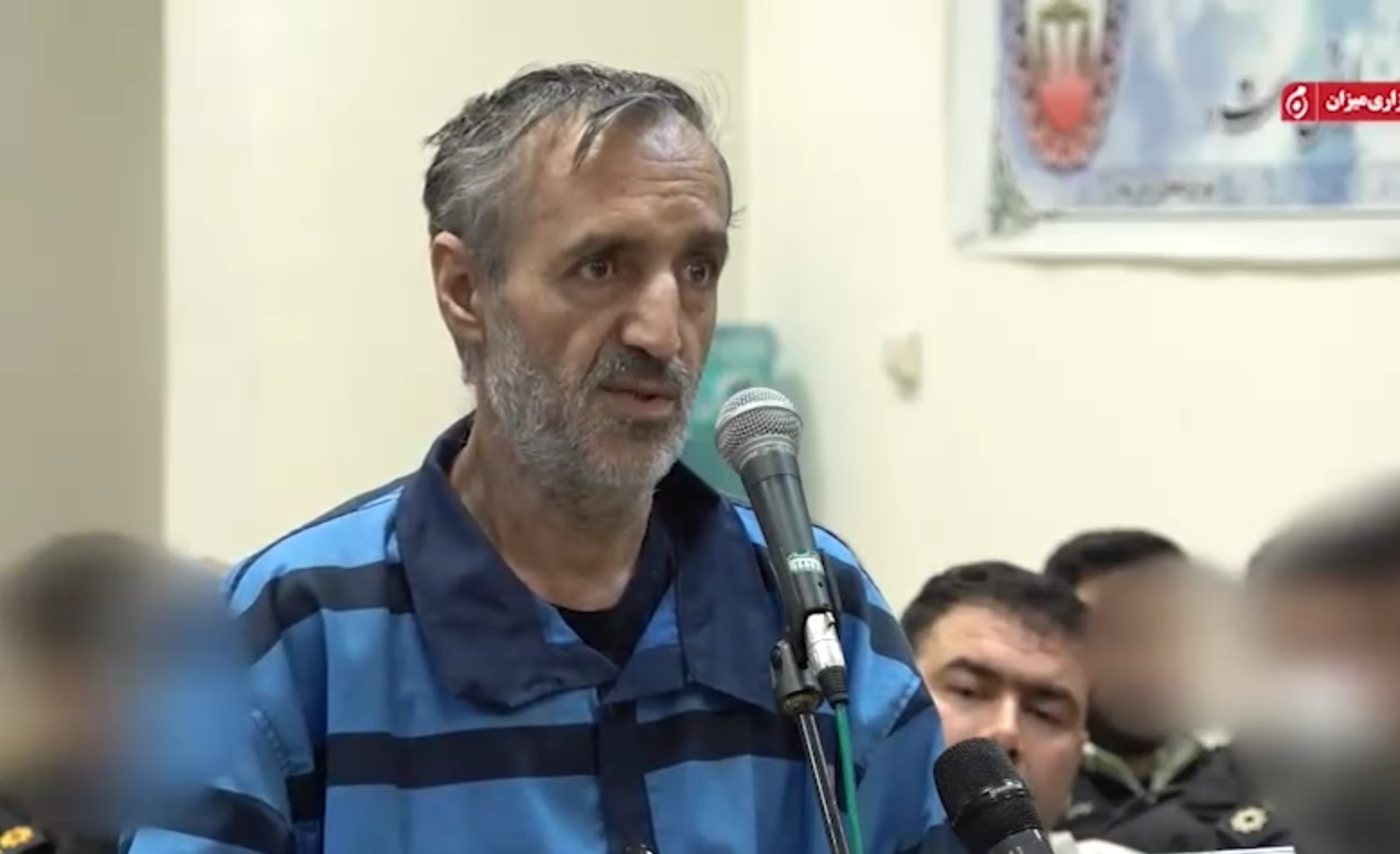 Mohammad Abbasi was arrested with his two “accomplices” on 10 January, 72 hours after the alleged murder took place on 7 January, per ISNA. On 20 January, the confessions of Mohammad and a female co-defendant who had their backs to the camera, were aired by state media. According to Rokna, the unnamed woman is Mohammad Abbasi’s daughter. She also refers to Mohammad as her father in her forced confession.
At trial, CCTV footage where the alleged perpetrator is unidentifiable was aired as evidence of Mohammad’s presence at the scene and possession of the knife. He was also not represented by a lawyer, but was asked by the judge to defend himself. His defence was “confessions” to the alleged offence, for which he requested forgiveness. Neither reports or videos of the trial stipulate the exact charges against his daughter.
The victim’s parents and wife called for qisas (retribution-in-kind), while the legal representative of FARAJA (Law Enforcement Force of the Islamic Republic of Iran), requested that the qisas be carried out publicly at the scene of the alleged crime.
Saeed Zare
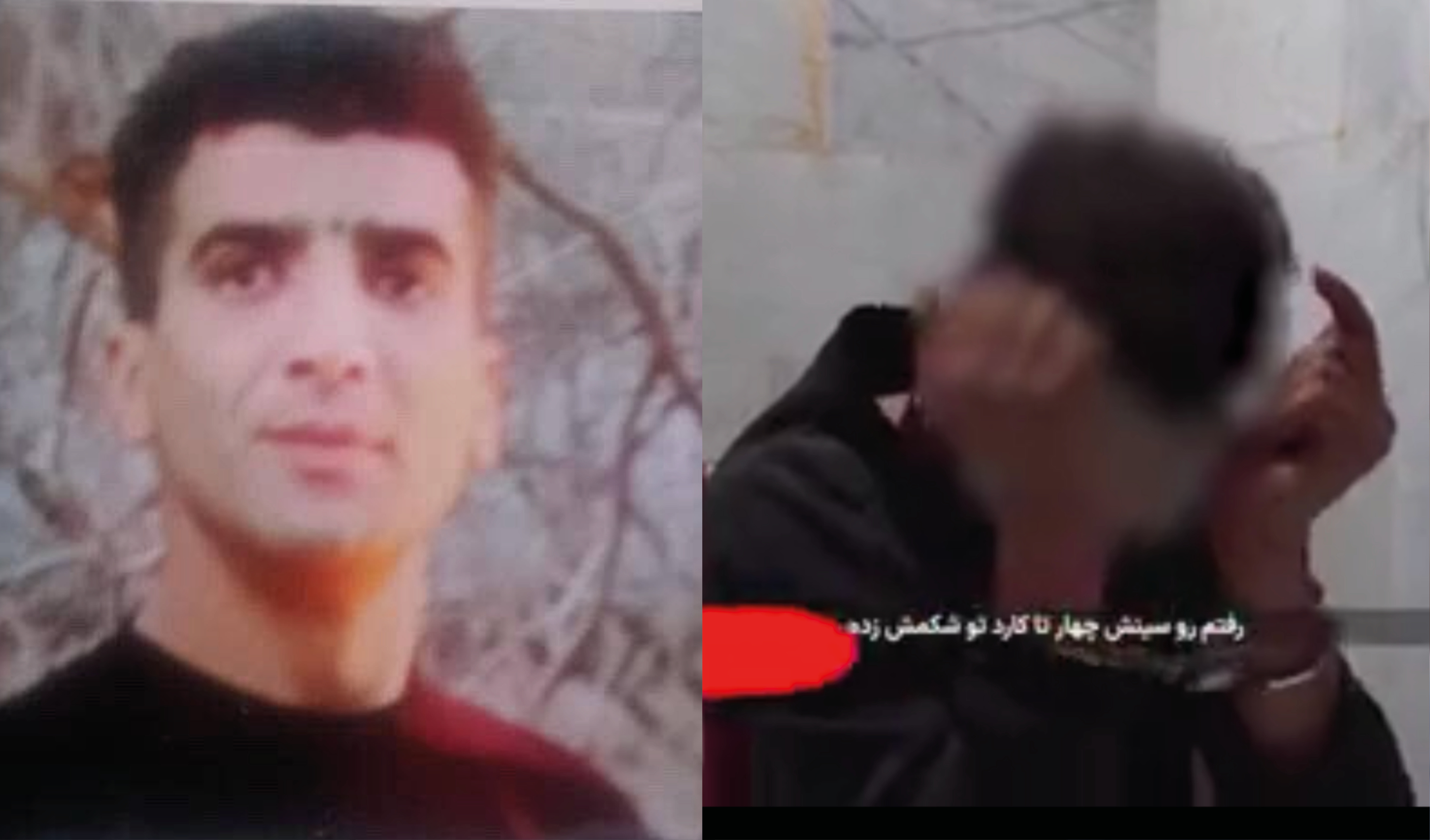
Saeed Zare is a protester accused of killing one of the security forces in Marvdasht, Fars province. Around a week after the alleged offence, on 17 January, state media aired footage of his violent arrest at his home that is followed by a confession that appears to have been filmed at the same location. In the video, Saeed who is blindfolded and handcuffed, is defensively holding up his arms in front of his face.
Shervin Bagherian
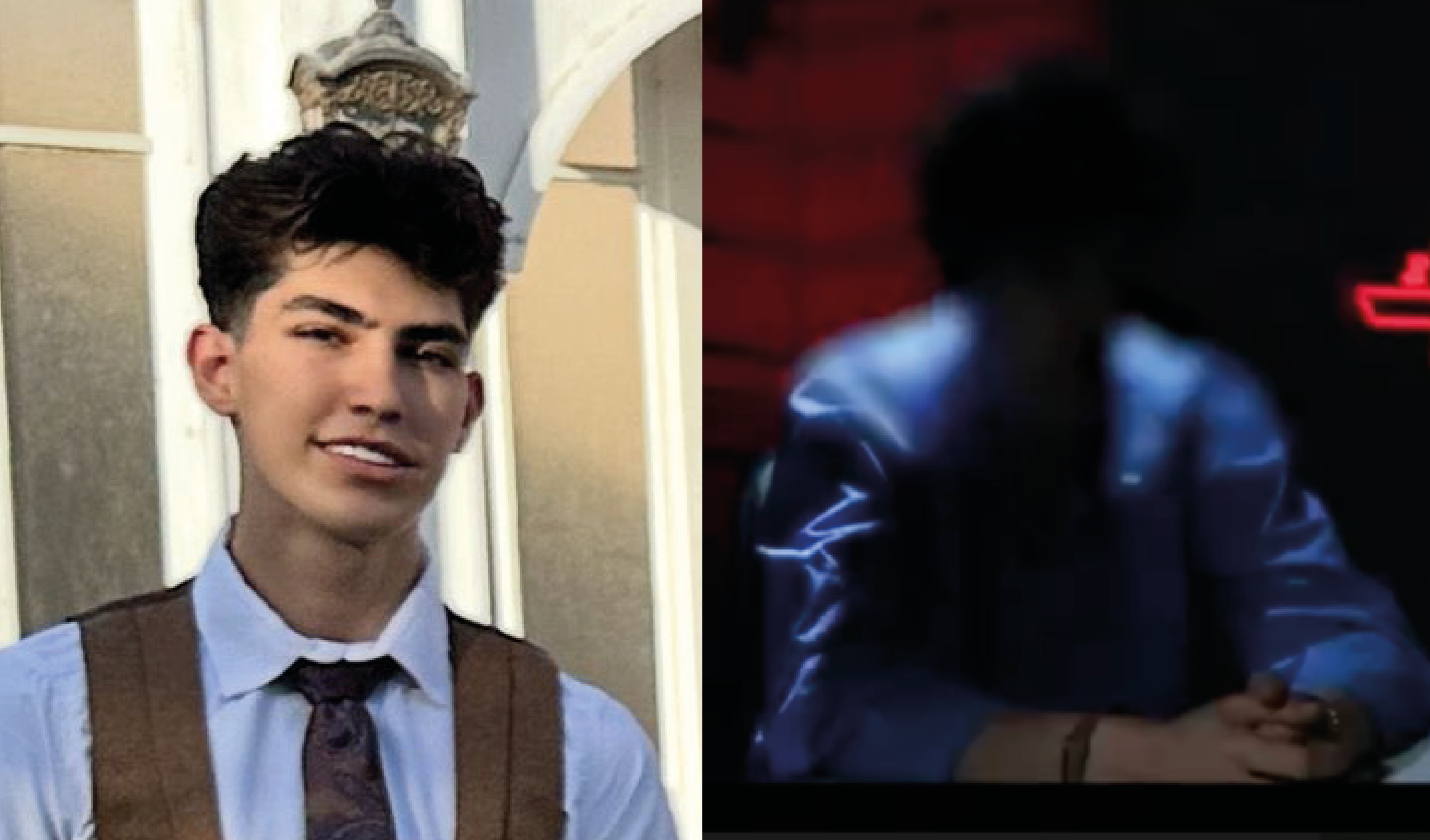
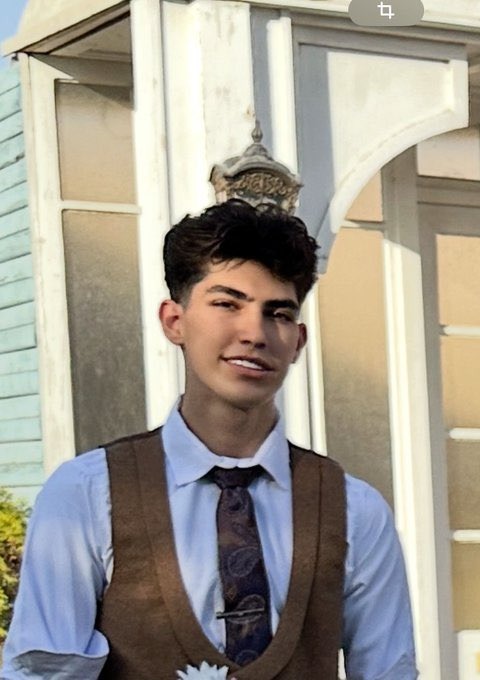
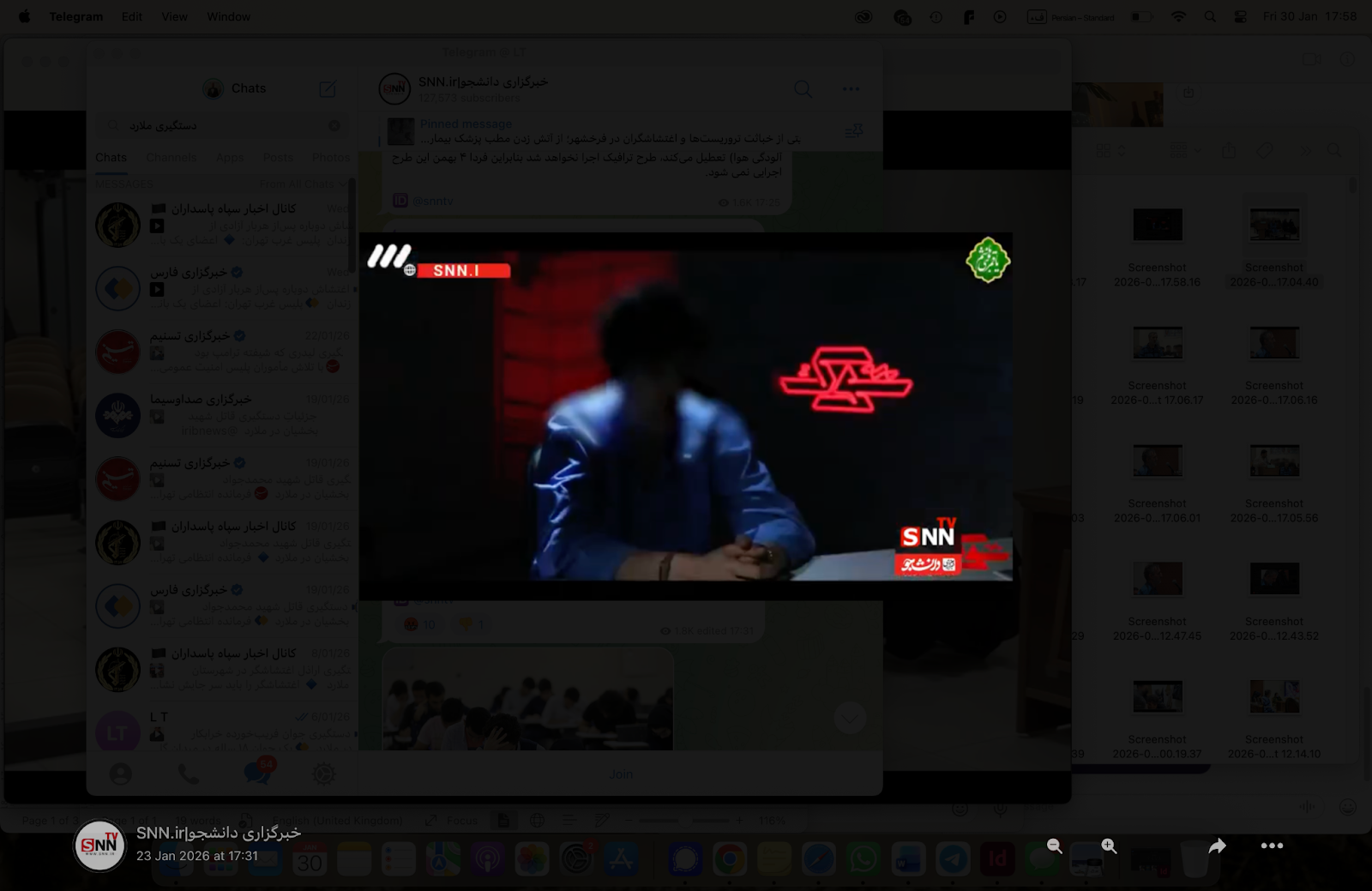 Shervin Bagherian is a 17-year-old protester arrested in relation to the protests in Isfahan and accused of taking part in the killing of four security forces. A short clip of his “confession” under interrogation was broadcast by state media on 23 January. At the end of the video, Shervin is informed of his death penalty charges:
Interrogator: Do you know what your sentence is? It's moharebeh.
Shervin: Can you tell me what moharebeh is please? I don’t know what it is sir.
Interrogator: Execution!
Shervin (crying): Please sir! Please no! Not execution! I was wrong, I repent! Please!
Dr Sobhan Esmaildoust and unidentified man 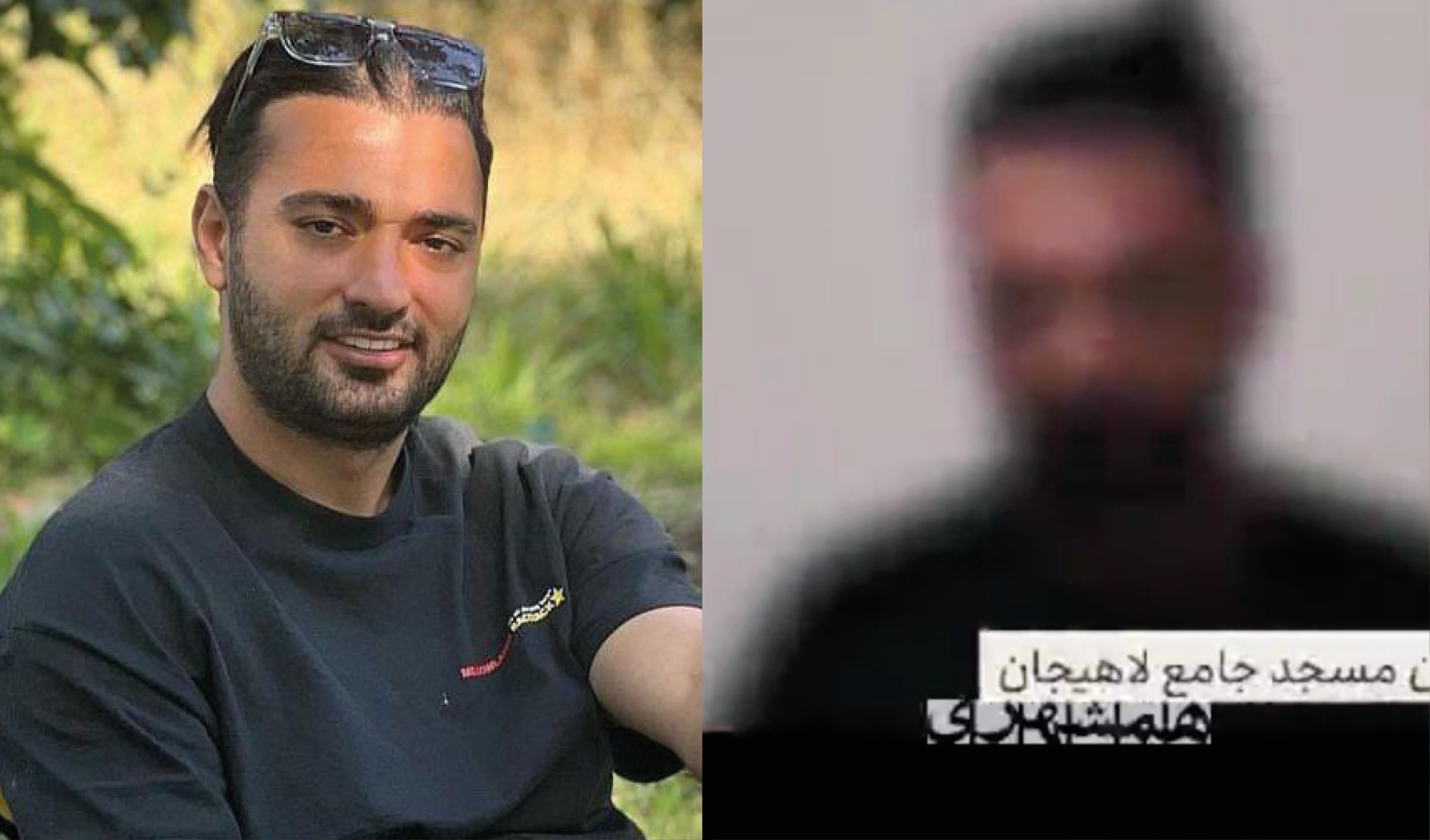
Sobhan Esmaildoust is a 36-year-old dentist and father who was helping treat injured protesters in Lahijan. On 31 January, state media aired the forced confessions of Sobhan and an unidentified man. In the video, they are forced to take responsibility for the arson of Jame mosque in Lahijan on 8 January. Per the state narrative, Sobhan and his co-defendant were arrested while trying to flee the country. In a phone call to his mother, Sobhan reportedly said: “They’re killing me alive.” His mother, Zahra Pourheidar, was also reported to have been arrested on 25 January. Sobhan’s co-defendant has not been identified at the time of writing.
Shayan Shakibayi, Peyvand Naeimi, Venus Hosseininejad and Unidentified Woman
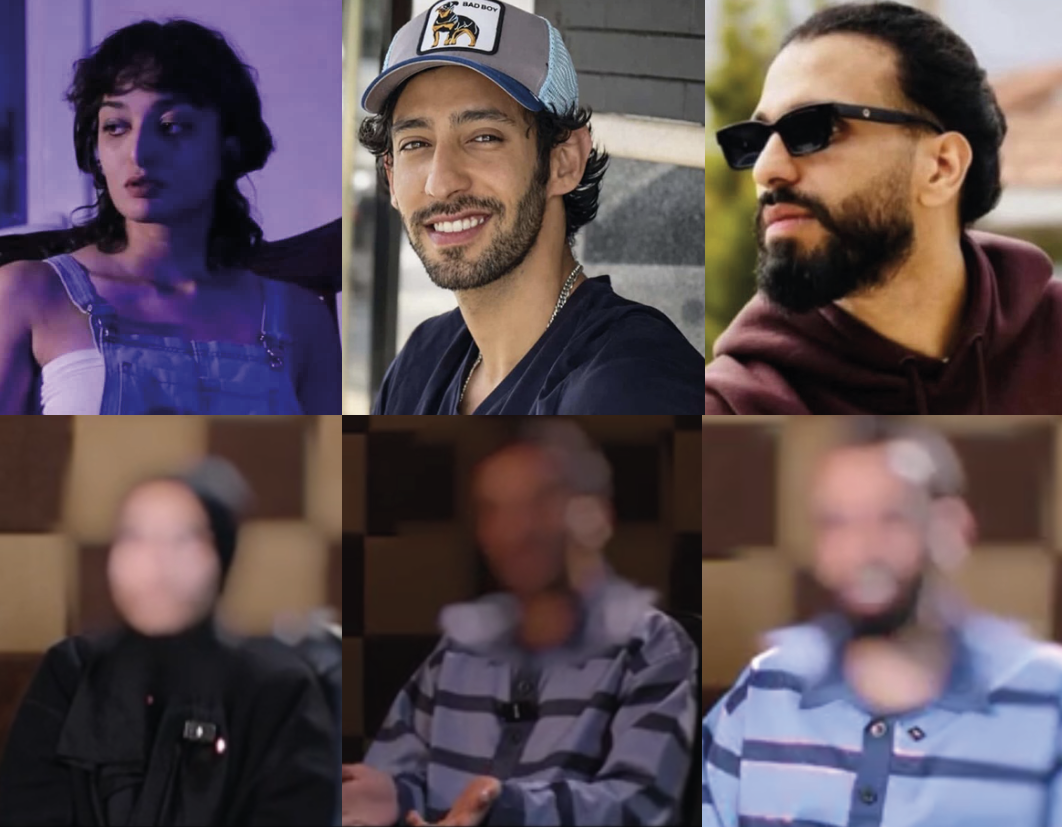
Shayan Shakibayi, 29, Peyvand Naeimi and Venus Hosseininejad, 28, were arrested in Kerman between 8 and 15 January. Peyvand and Venus are Baha’i citizens. On 1 February, state media aired their forced confessions to being members of an online network called “Ma” (We) which is described as “satanic” and under the influence of Israel. Shayan is introduced as the leader who confesses to organising 50 teams of 10 people to take part in the protests with weapons and carry out destruction of public property. The fourth defendant in the case, a woman, has not been identified at the time of writing.
According to a letter from Venus’ parents, she was arrested by plain-clothes IRGC agents at her place of work, contradicting the state narrative that the defendants in the case were arrested in their “hideout.” In a phone call, Venus said she had made the confessions under pressure and with the promise that she would be released in three days, a promise that was not kept. The family warned that her life is at serious risk, particularly given her diagnosed bipolar disorder and the lack of adequate medical care behind bars.
It should be noted that according to Iranian law, murder cases typically fall within the jurisdiction of criminal courts. However, in protest-related cases authorities have increasingly transferred proceedings to Revolutionary Courts by recharacterising alleged killings as national security offences, including moharebeh (enmity against God) and efsad fil-arz (corruption on earth). IHRNGO previously documented such cases in the “Woman, Life, Freedom” nationwide protests.
It is further important to note that once a case is treated as a national security matter, defendants lose the right to have lawyers of their choice. Article 48 of Iran’s Code of Criminal Procedure grants suspects the right to request a lawyer of their choice in the pre-trial phase. However, a Note added to the Article in 2015, limits this right for those accused of “crimes against internal or external security” to a list of government-approved lawyers during the preliminary phase.
At the same time, there has been a crackdown on defence lawyers. According to Shargh Daily, nine lawyers have been arrested since the start of the nationwide protests: Shima Ghosheh, Mohammad Hadi Jafarpour, Mehdi Ansari, Jafar Zarei, Mehran Ansari, Jafar Keshavarz, Nazanin Baradaran, Enayatollah Karamati and Omid Darabi. Shargh reports that two were arrested in Tehran, six in Shiraz and one in Mashhad, and that other lawyers have reportedly been summoned.
More from @ihrights
IHRNGO is building a strong civil society, through empowerment of the citizens, promoting and defending the human rights.
Latest Cartoon