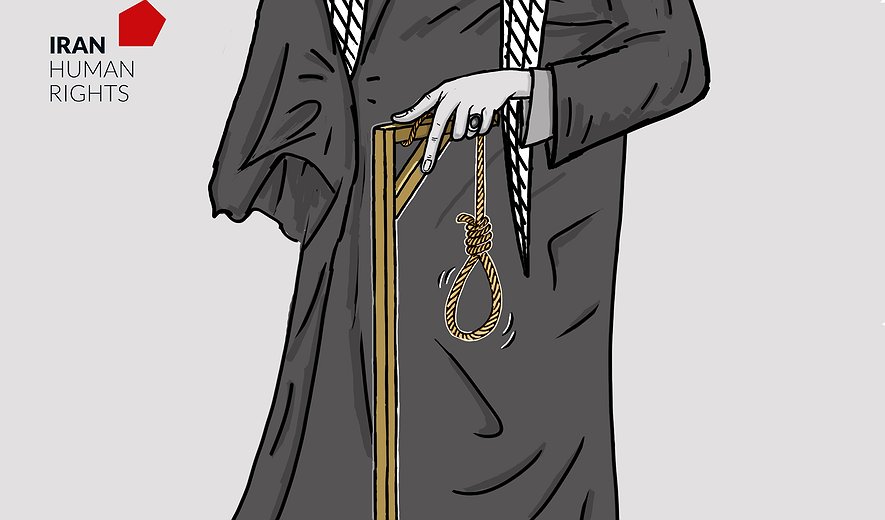
Mojtaba Amini Hanged for Murder in Neishabur
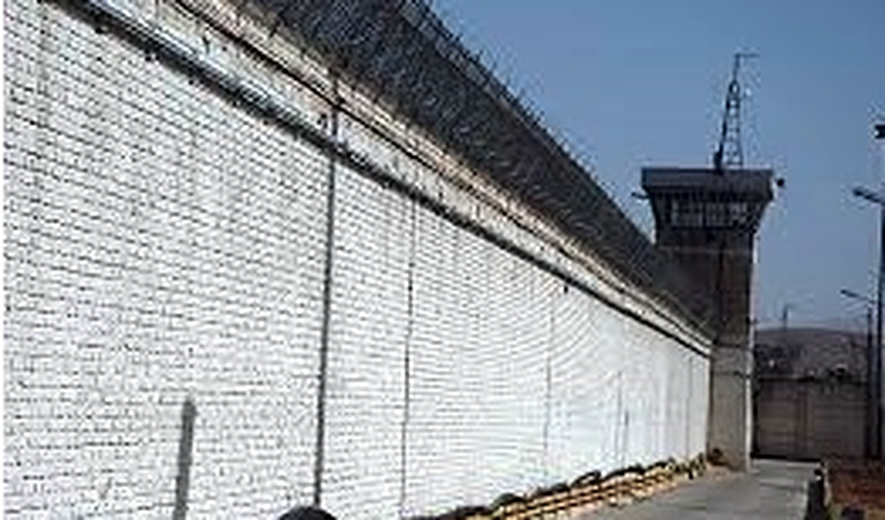
Iran Human Rights (IHRNGO); 17 February 2026: Mojtaba Amini, a man on death row for murder, was executed in Neishabur Prison.
According to information obtained by Iran Human Rights, a man was hanged in Neishabur Prison on 9 February 2026. His identity has been established as 27-year-old Mojtaba Amini who was sentenced to qisas(retribution-in-kind) for murder by the Criminal Court.
At the time of writing, his execution has not been reported by domestic media or officials in Iran.
Mahnaz Roshani is the second woman execution recorded in 2026. In 2025, at least 48 women were executed, the highest number of women executions recorded in Iran in more than two decades. Iran executes the highest recorded number of women globally.
In January 2025, IHRNGO published a report titled “Women and the Death Penalty in Iran; a Gendered Perspective,” which sheds light on the contemporary experiences of women facing the death penalty, focusing on the discriminatory laws and societal factors that perpetuate their suffering.
Those charged with the umbrella term of “intentional murder” are sentenced to qisas (retribution-in-kind) regardless of intent or circumstances due to a lack of grading in law. Once a defendant has been convicted, the victim’s family are required to choose between death as retribution, diya (blood money) or forgiveness.
Crucially, while an indicative diya amount is set by the Judiciary every year, there is no legal limit to how much can be demanded by families of the victims. IHRNGO has recorded many cases where defendants are executed because they cannot afford to pay the blood money. Should the victim’s family choose execution, they are not only encouraged to attend, but also to physically carry out the execution themselves.
More from @ihrights
IHRNGO is building a strong civil society, through empowerment of the citizens, promoting and defending the human rights.
Latest Cartoon