The Islamic Republic’s Power Structure and the Death Penalty
This is an excerpt from the 2025 Annual Report on the Death Penalty in Iran.
According to Article 57 of the Iranian Constitution, “the powers of government are vested in the legislative, executive and judicial powers which function under the supervision of the absolute velayate-ol-amr (Supreme Leader) and leadership of the Ummah.” While the article stipulates that these powers, or branches, are independent of each other, this is contradicted in the Constitution and law. In addition, Article 156 of the Iranian Constitution states: “The Judiciary shall be an independent power that protects individual and social rights.” However, Article 157 of the Constitution undermines the impartiality and independence of the judiciary by stating that: “The Head of the Judiciary is directly appointed and supervised by the Supreme Leader,” who under the Constitution is the Head of State and holds the State’s highest political position, exerting significant influence over all branches of government. The Guardian Council, a pivotal body within the Islamic Republic’s political framework, comprises twelve members: six Islamic jurists (fuqaha) appointed by the Supreme Leader and six jurists specialising in various areas of law, nominated by the Head of the Judiciary and approved by the Islamic Consultative Assembly (Parliament). This council wields considerable power, including the authority to veto legislation passed by the Parliament and to supervise elections. Notably, the Guardian Council is responsible for approving and disqualifying candidates seeking to run in local, parliamentary, presidential, and Assembly of Experts elections. Consequently, the Supreme Leader maintains ultimate control over the nation’s primary policies and practices, with the Guardian Council serving as a mechanism to ensure that legislation and electoral processes conform to his vision for the Islamic Republic.
This section provides an overview of the authorities and the positions of each in relation to the use of the death penalty.
The Supreme Leader
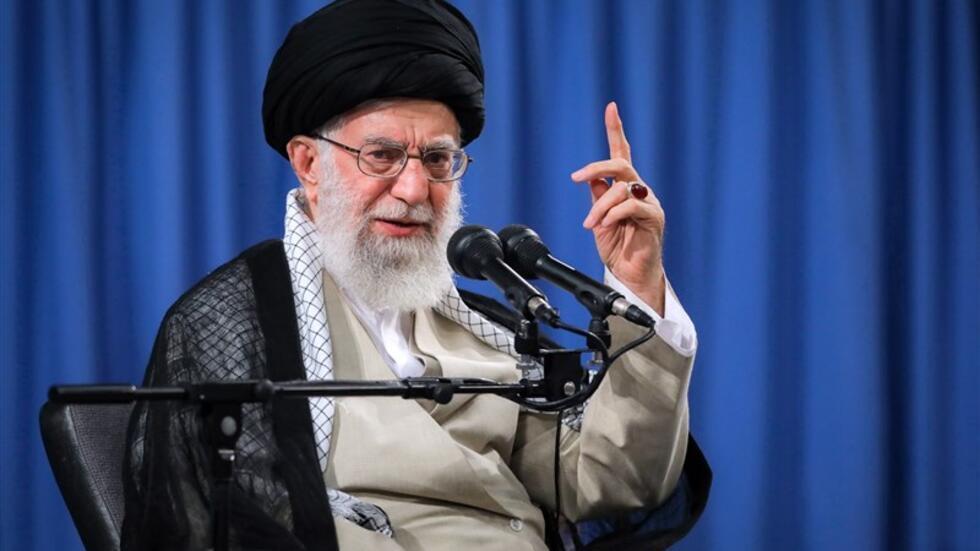
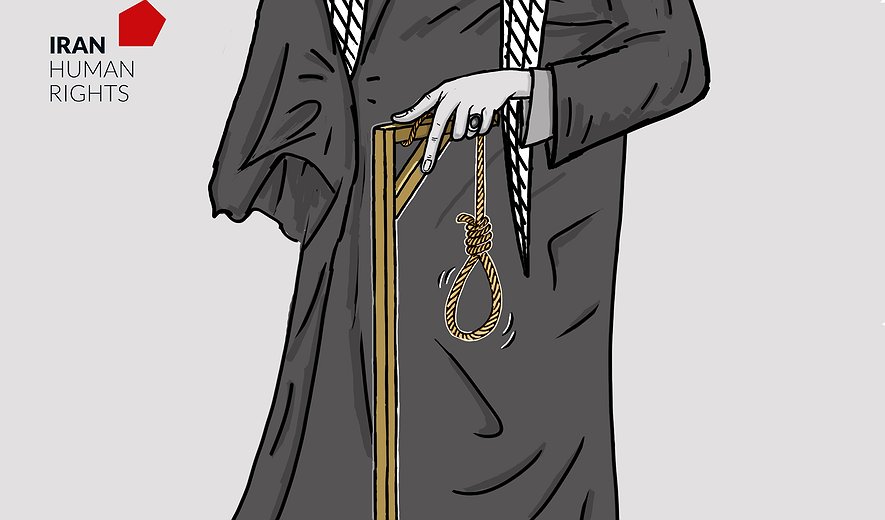
As mentioned above, the Supreme Leader of Iran exerts significant indirect influence over the implementation of the death penalty through his control over key judicial and governmental institutions. By appointing the Head of the Judiciary and influencing the Guardian Council, he shapes the legal framework and ensures alignment with his policies. His oversight of security and intelligence forces further strengthens his role in enforcing capital punishment. However, the Supreme Leader also has direct involvement in death penalty cases in the following ways:
Issuing pardons, commuting sentences: The Supreme Leader has the authority to grant clemency or commute death sentences, often on religious or national occasions, based on recommendations from the Head of the Judiciary.
Issuing direct fatwas (religious decrees): As the Islamic Republic’s highest religious authority, the Supreme Leader can issue fatwas that justify or mandate executions, particularly in cases of apostasy, blasphemy, or national security threats. These fatwas carry binding legal weight. An example is the mass execution of several thousand political prisoners in the summer of 1988, based on a fatwa issued by then Supreme Leader Ruhollah Khomeini.
Intervening in high-profile or sensitive cases: The Supreme Leader can also intervene in politically sensitive cases, either to enforce or halt executions, especially if they have significant domestic or international implications. The sentence of Babak Zanjani, a billionaire convicted of embezzlement and sentenced to death in 2016, was commuted to a 20-year prison term in 2024. The judiciary stated that a clemency request was approved by both the judiciary chief and the Supreme Leader Ali Khamenei.[1]
Ali Khamenei became the Supreme Leader of the Islamic Republic after the death of Ruhollah Khomeini in 1989 and remained in this position until his death in February 2026. His son, Mojtaba Khamenei was declared the new Supreme Leader on 8 March 2026.
The Judiciary
The Judiciary of the Islamic Republic of Iran plays a central role in issuing and implementing death sentences, operating under the direct influence of the Supreme Leader. Its responsibilities encompass legal proceedings, sentencing, and execution enforcement.
According to the Constitution, the Head of the Judiciary is responsible for “employment of just and worthy judges, their dismissal, appointment, transfer, assignment to particular duties, promotions, and carrying out similar administrative duties, in accordance with the law.”[2]
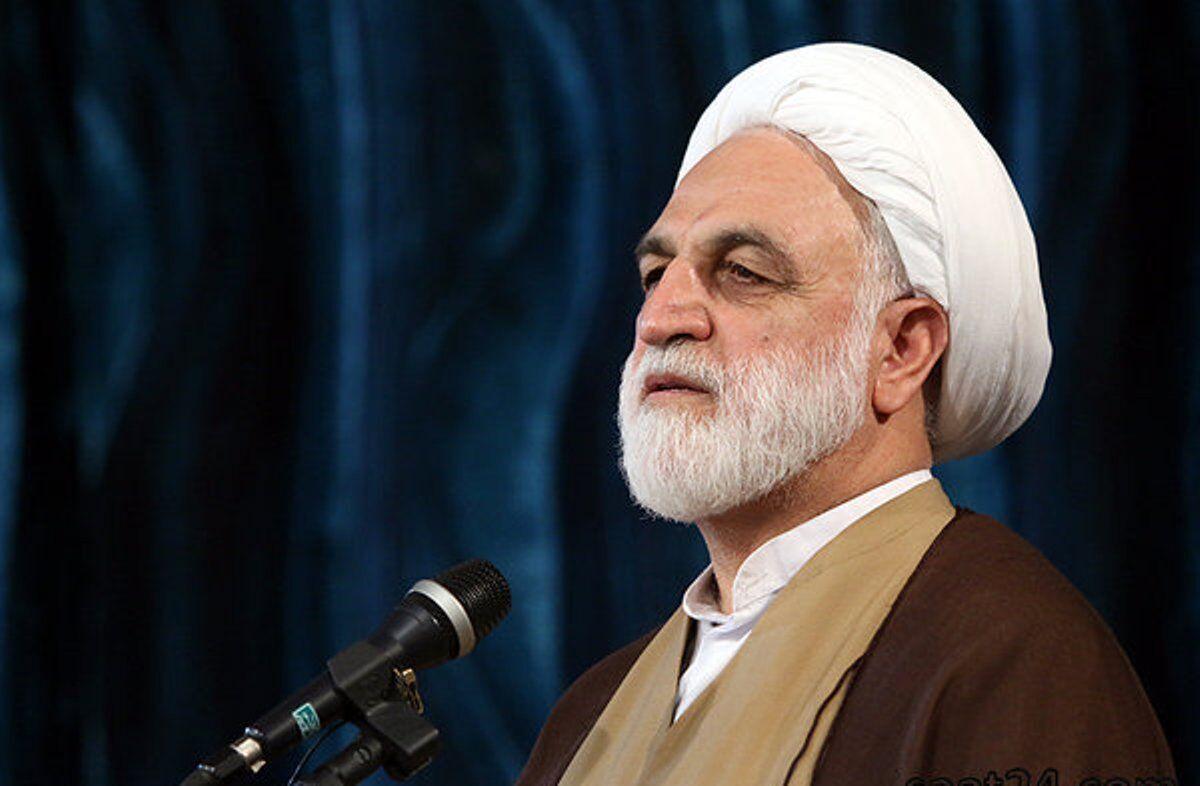 On 1 July 2021, Supreme Leader Ali Khamenei promoted Gholamhossein Mohseni-Ejei (known as Ejei) to serve as the new Head of Judiciary. Ejei has held several key positions in the Islamic Republic’s security apparatus, including Minister of Intelligence (2005–2009), Attorney General of Iran (2009–2014), and Deputy Chief of Judiciary (2014–2021). In 2014, he was granted the power to make the final decision in death penalty cases concerning drug-related charges. The following year, in 2015, at least 642 people were executed on drug-related charges, including the Ghezelhesar Prison mass executions[3] on the direct orders of Ejei, setting the record for the highest annual drug executions since the early 1990s. Ejei is also one of the Islamic Republic officials sanctioned in 2010 by both the United States[4] and the European Union[5] for their role in the suppression of the 2009 post-election protests. There has been a dramatic rise in the number of drug-related executions since Ejei’s appointment as the Head of Judiciary.
The Legislature
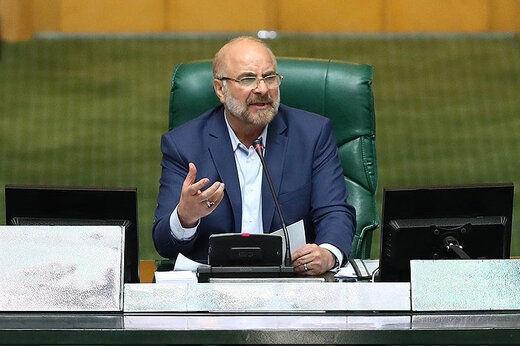
The Legislature consists of the Islamic Consultative Assembly (Parliament, composed of 290 representatives, 14 of whom are women), with Mohammad Bagher Ghalibaf as its Speaker, and the Council of Guardians, with Ahmad Jannati as its Chairman.
Mohammad Bagher Ghalibaf is a former senior commander in the Islamic Revolutionary Guard Corps (IRGC), Chief of Police (2000–2005), Tehran Mayor (2005-2017) and presidential candidate. He was appointed to the role of Speaker in parliament in 2020.
After the twelve-day war between Israel and Iran in June 2025, the “Law on Intensifying the Punishment for Espionage and Cooperation with the Zionist Regime and Hostile States against National Security and Interests” was adopted by the Majles (Parliament) on 28 September 2025.[6] It was subsequently published/promulgated on 15 October.
The law expands the death penalty in three main ways. First, it creates new categories of capital offences, extending execution risk to broadly defined “operational” and “intelligence” acts, various forms of cooperation with hostile entities, cyber and infrastructure-related offences, and, in some cases, activities involving satellite communication devices. Secondly, it also lowers the threshold for capital liability by allowing the death penalty where conduct is merely deemed capable of harming security, creating fear, or strengthening a hostile actor, even if the act is not completed or the assistance is indirect. Finally, it increases the likelihood of executions by fast-tracking cases in designated Revolutionary Courts, shortening procedural deadlines, permitting courts to fill investigative gaps themselves, and mandating pre-trial detention where “sufficient evidence” is alleged, thereby weakening fair-trial safeguards and the defence’s ability to challenge the case.[7]
The Executive
The government (led by the president) does not have the authority to issue and implement death sentences according to the Iranian Constitution. However, public executions seem to be the exception to this rule. At the local level, the governor representing the government has the power to decide whether an execution should be carried out in public.[8]
Furthermore, the Ministry of Foreign Affairs is involved in justifying executions at the international level and engages in bilateral and multilateral dialogue on the situation of the death penalty and the follow-up of individual cases.
Followi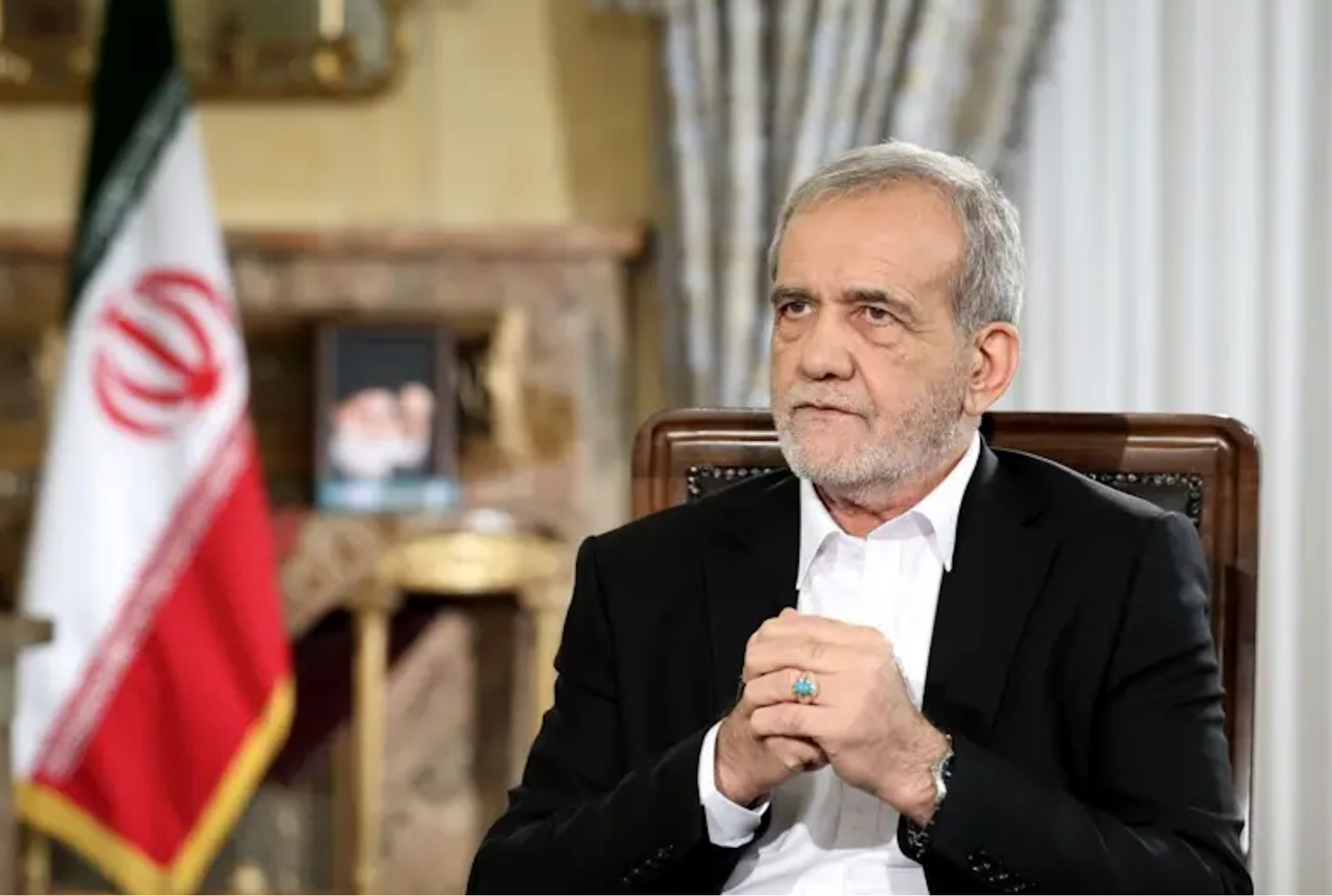 ng the death of President Ebrahim Raisi on 19 May 2024, Iran held a presidential election marked by the lowest voter turnout in the history of the Islamic Republic. Masoud Pezeshkian, a former member of parliament and one of the very few candidates approved by the Guardian Council, was appointed as the new president.
Pezeshkian’s presidency has coincided with the largest surge in executions recorded in Iran in the past 35 years.
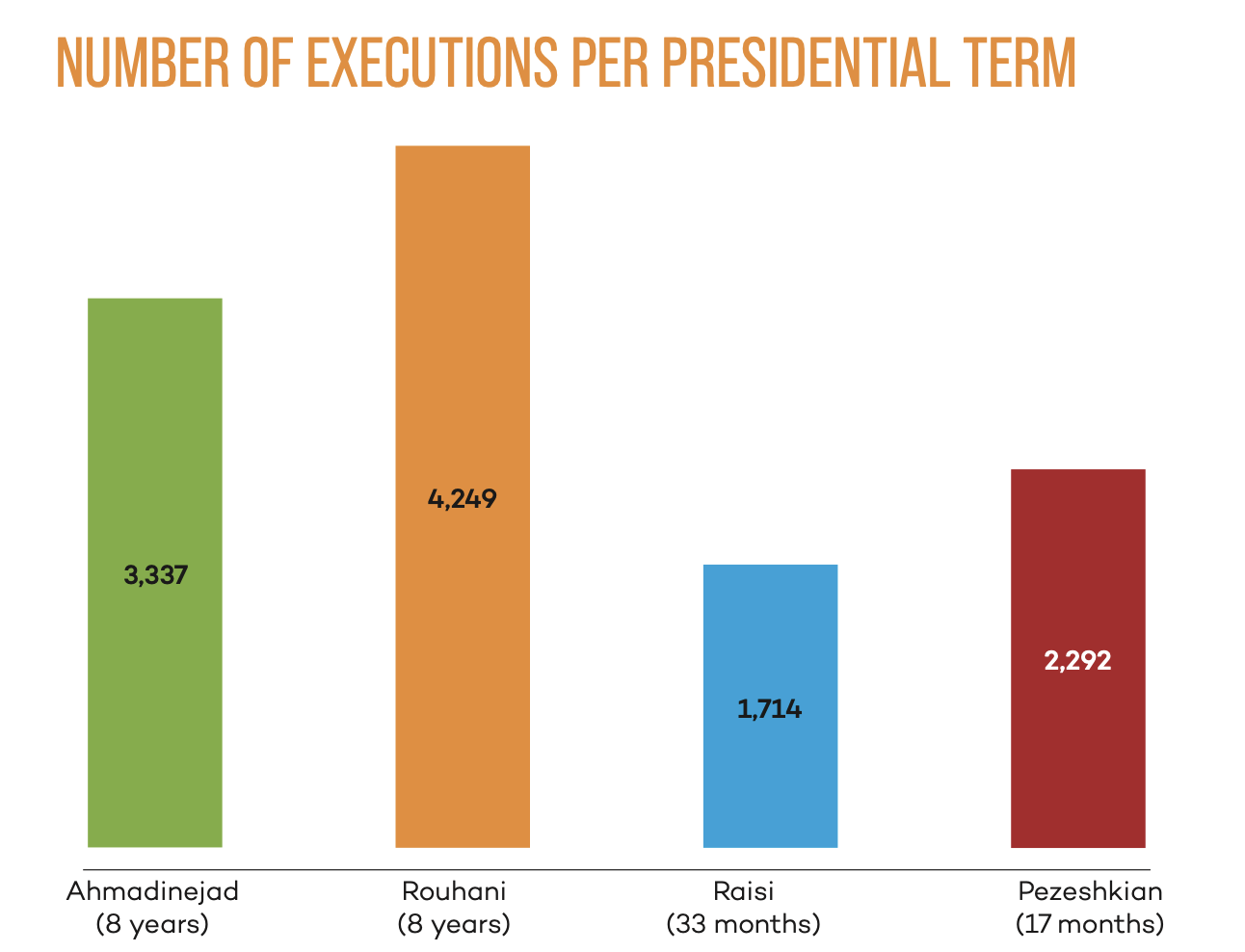
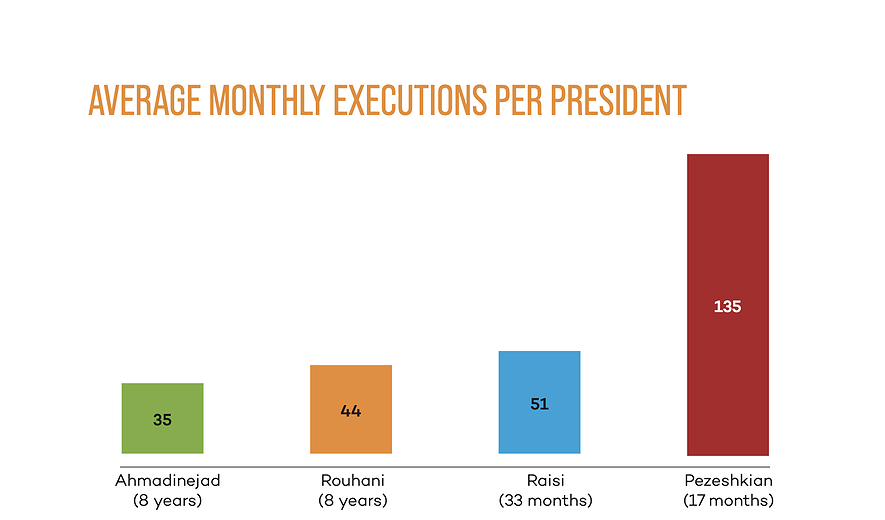
At least 2,292 people have been executed since Masoud Pezeshkian took office in July 2024. For comparison, during the less than three years of Ebrahim Raisi’s presidency (2021–2024), and the two terms (8 years each) of Presidents Hassan Rouhani (2013–2021) and Mahmoud Ahmadinejad (2005–2013), at least 1,714, 4,249, and 3,337 people were executed, respectively.
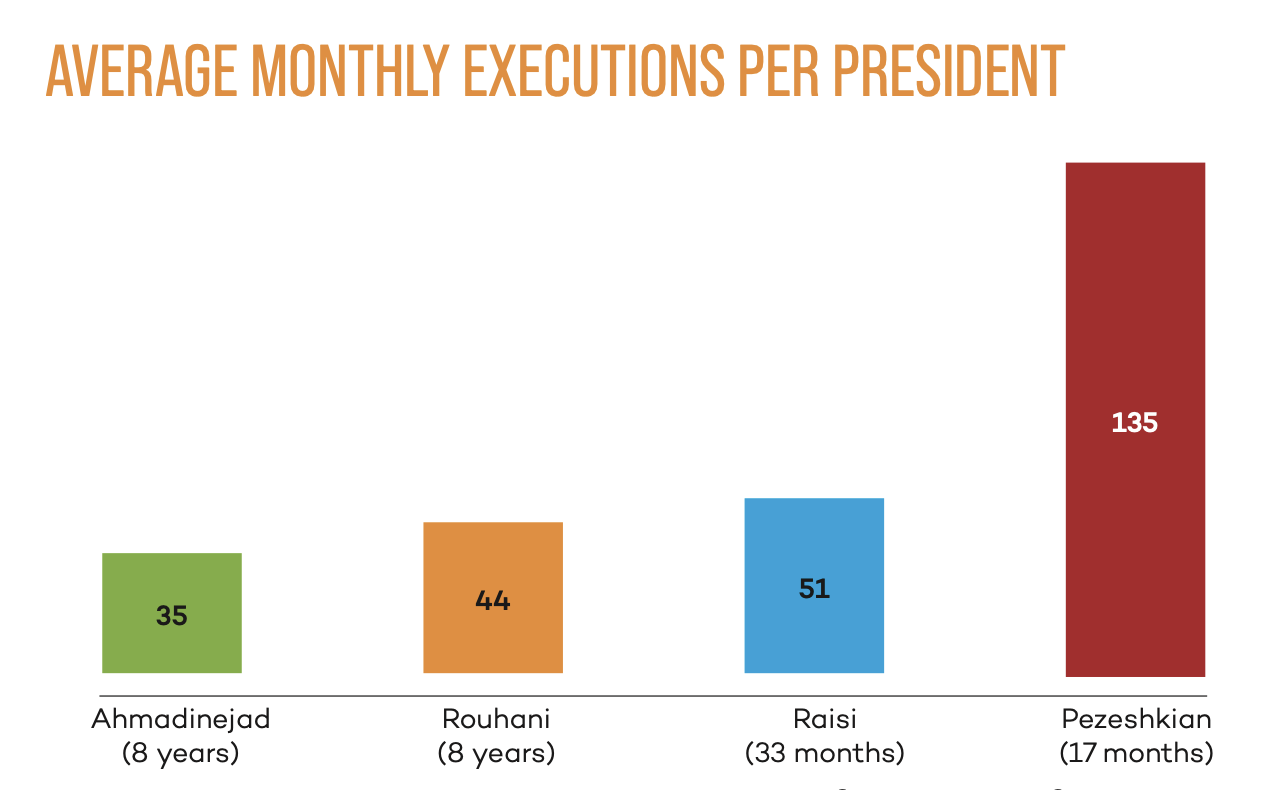
Average monthly executions: A comparison of executions during Pezeshkian’s 17 months in office with those under the previous three presidents –Ahmadinejad, Rouhani, and Raisi – reveals a consistent upward trend in the Islamic Republic’s use of the death penalty, regardless of the president in power. However, the increase during the first five months of Pezeshkian’s presidency has been particularly dramatic. The average number of monthly executions under Pezeshkian has reached 135 (more than four executions per day), compared to 51 per month during Raisi’s tenure, 44 under Rouhani, and 35 under Ahmadinejad. Over the course of all these presidential terms, Iran has maintained a daily execution rate of at least one person.
[1] BBC News, Iran commutes billionaire Babak Zanjani’s death sentence, 30 April 2024, https://www.bbc.com/news/world-middle-east-68884549
[2] Constitution, Article 158.
[3] IHRNGO, Ghezelhesar Mass-Executions Continue: 11 Executions on Wednesday 10 June, 13 June 2015, https://iranhr.net/en/articles/1217/
[4] U.S. Department of the Treasury, New Executive Order Targeting Iranian Officials Responsible For Or Complicit In Serious Human Rights Abuses, 29 September 2010, https://www.treasury.gov/press-center/press-releases/pages/tg877.aspx
[5] Parliamentary question, EU sanctions against Iranian officials, E-8192/2010, 1 October 2010, https://www.europarl.europa.eu/doceo/document/E-7-2010-8192_EN.html
[6] https://nezamat.ir/قانون-تشدید-مجازات-جاسوسی-و-همکاری-با-ر/
[7] https://iranhr.net/en/articles/8516/
[8] استاندار-تنها-مخالف-اعدام-قاتلین-همسرم-ملاء-عام/51511/https://www.asrehamoon.ir/news
More from @ihrights
IHRNGO is building a strong civil society, through empowerment of the citizens, promoting and defending the human rights.
Latest Cartoon
Latest Report