At Least 44 Protesters at Risk of Execution; Hundreds More at Risk of Death Penalty Charges and Sentences
Iran Human Rights (IHRNGO); 30 April 2026: At least 44 protesters including two women and three teenagers who were reportedly under the age of 18 at the time of arrest, have been sentenced to death in relation to the January 2026 protests. Hundreds more remain at risk of death penalty charges and sentences. In a meeting with judicial authorities this morning, Iran’s Head of Judiciary, Gholamhossein Mohseni Ejei urged the swift implementation of death sentences and executions. Nine protesters have been executed in relation to the protests thus far, all of them since 19 March.
Reiterating its warning over the grave risk of execution facing protesters and other political prisoners, IHRNGO calls on the international community to make a moratorium on the use of the death penalty as a central demand in any negotiations and dialogue with the Islamic Republic.
Mahmood Amiry-Moghaddam, director of the organisation, stated: “Unable to govern effectively or meet people’s basic needs, the Islamic Republic lacks legitimacy and clings to power through repression and fear. The death penalty remains its most powerful tool for instilling that fear”. He added: “The Islamic Republic is weaponising the new espionage law to expedite the execution of protesters, framing domestic dissent as an external national security threat. These are not legal proceedings, but a coordinated campaign of state violence masquerading as justice. The resulting death sentences stem from grossly unfair trials that completely bypass due process, relying on torture-tainted confessions rather than legitimate evidence.”
According to information obtained and gathered by Iran Human Rights, at least 44 protesters arrested in relation to the nationwide December 2025-January 2026 protests have been sentenced to death. They include two women and three teenagers who were under the age of 18 at the time of arrest. It is important to note that the number of cases documented by IHRNGO are an absolute minimum. In addition to the inherent opacity of the judicial system, the internet shutdown and repressive state measures to silence families and lawyers have significantly hindered efforts to document further cases.
Consequently, the details surrounding even the documented cases remain severely limited. In the vast majority of instances, IHRNGO has been unable to independently verify photographs of the detained protesters.
As IHRNGO has previously warned, hundreds of other protesters are at risk of death penalty charges and sentences. It is also vital to note that while the protests swept across every province in the country, the cases documented in this report originate from only five.
In addition to the cases profiled below, ten protesters, whose names IHRNGO is unable to publish at this time, have been sentenced to death in Qom Central Prison.
Furthermore, at least 17 protesters held in Isfahan (Dastgerd) Central Prison are on death row. Their names are: Mansour Jafari (17), Shahin Soleimani (23), Hossein Ghaleh Beigi (22), Reza Moazeni (23), Yaser Mokhtari (23), Moslem Heidari (30), Ramezan Asadi, Abolfazl Hashemian, Javad Talebpour, Daniel Harouni, Mehdi Eskanadari, Navid Shirani, Seyed Reza Hassanlu, Davoud Aminzadeh, Mobin Soltani and Pejman Haghighan. The seventeenth person is Sasan Azadvar, whose case is detailed below.
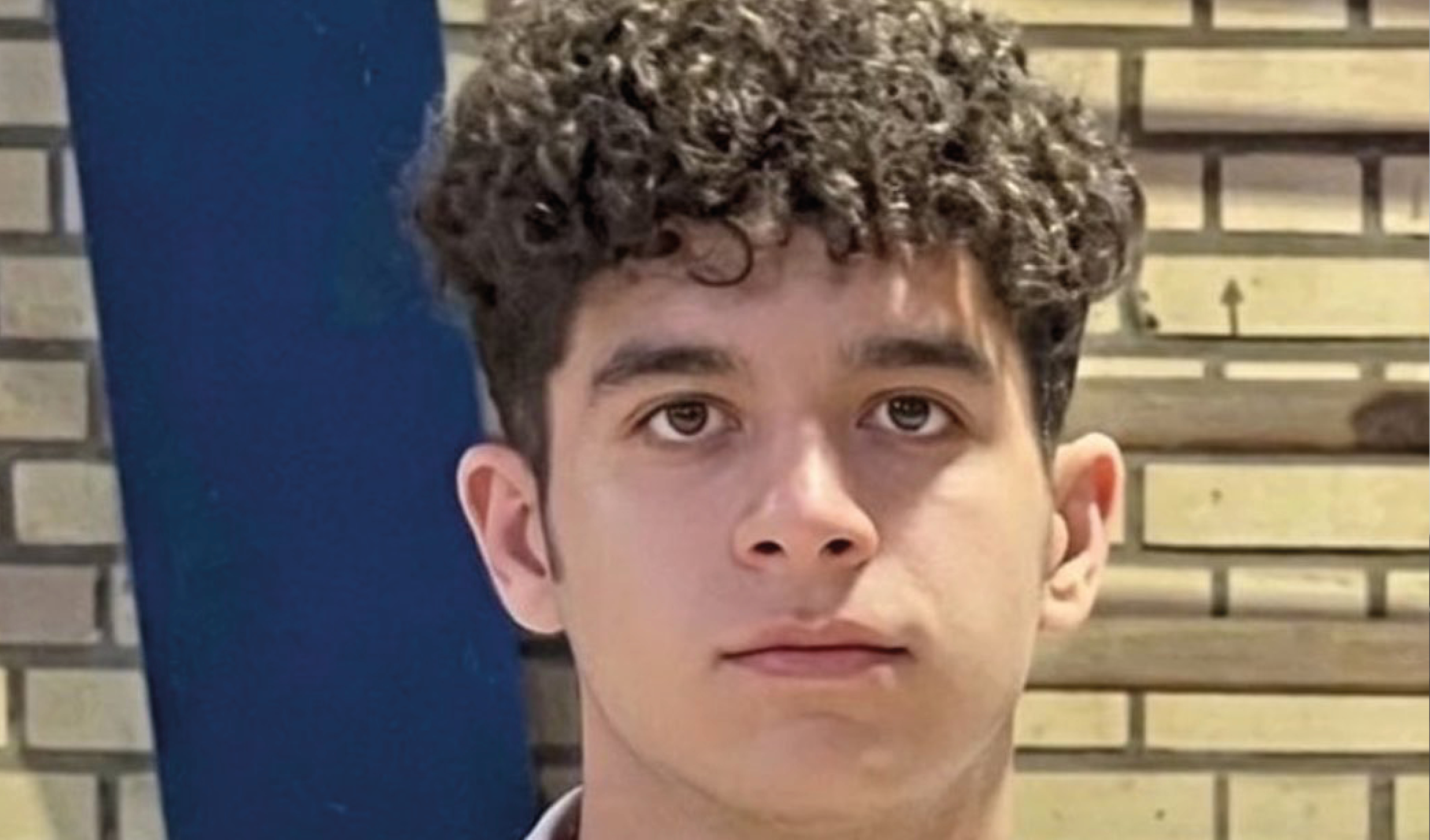
Sasan Azadvar is a 21-year-old Kyokushin karate champion. According to informed IHRNGO sources, he was arrested in Isfahan on 3 January. He was tried by Branch One of the Isfahan Revolutionary Court, presided over by Judge Kazemzadeh. Sasan was sentenced to death on the charge of moharebeh (enmity against God) through “intention to disrupt national security during the riots and confronting military forces with a bladed weapon” on 16 March. His sentence was subsequently upheld by Branch 39 of the Supreme Court. Sasan’s family were summoned for a final family visit on 28 April.
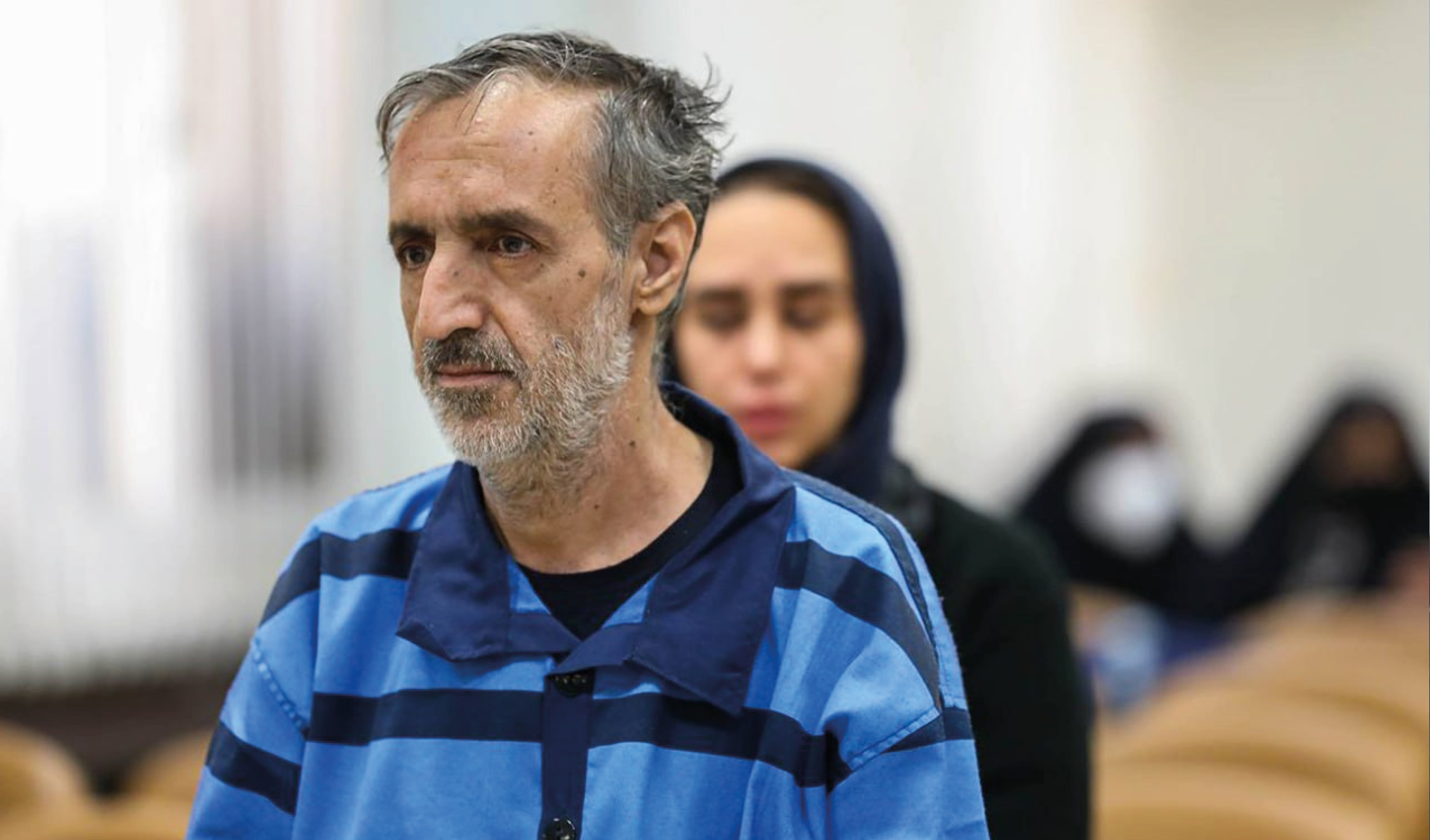 Mohammad Abbasi is a 55-year-old arrested with his daughter Fatemeh (pictured behind) on 10 January. State media aired their forced confessions on 20 January and their trial on 27 January. He was sentenced to death by Branch 15 of the Tehran Revolutionary Court, presided over by “Death Judge” Salavati on 24 February. He was convicted on charges of “moharebeh (enmity against God) through aiding and abetting and cooperation with the child-killing Zionist regime, the government of the United States, and hostile groups and their affiliated agents, leading to the killing of a police officer, Colonel Shahin Dehghani Kakavandi, as a result of inflicting multiple stab wounds with a bladed weapon.” Fatemeh was sentenced to 25 years’ imprisonment. Their sentences have been upheld by the Supreme Court. Mohammad is detained in Ghezelhesar Prison.
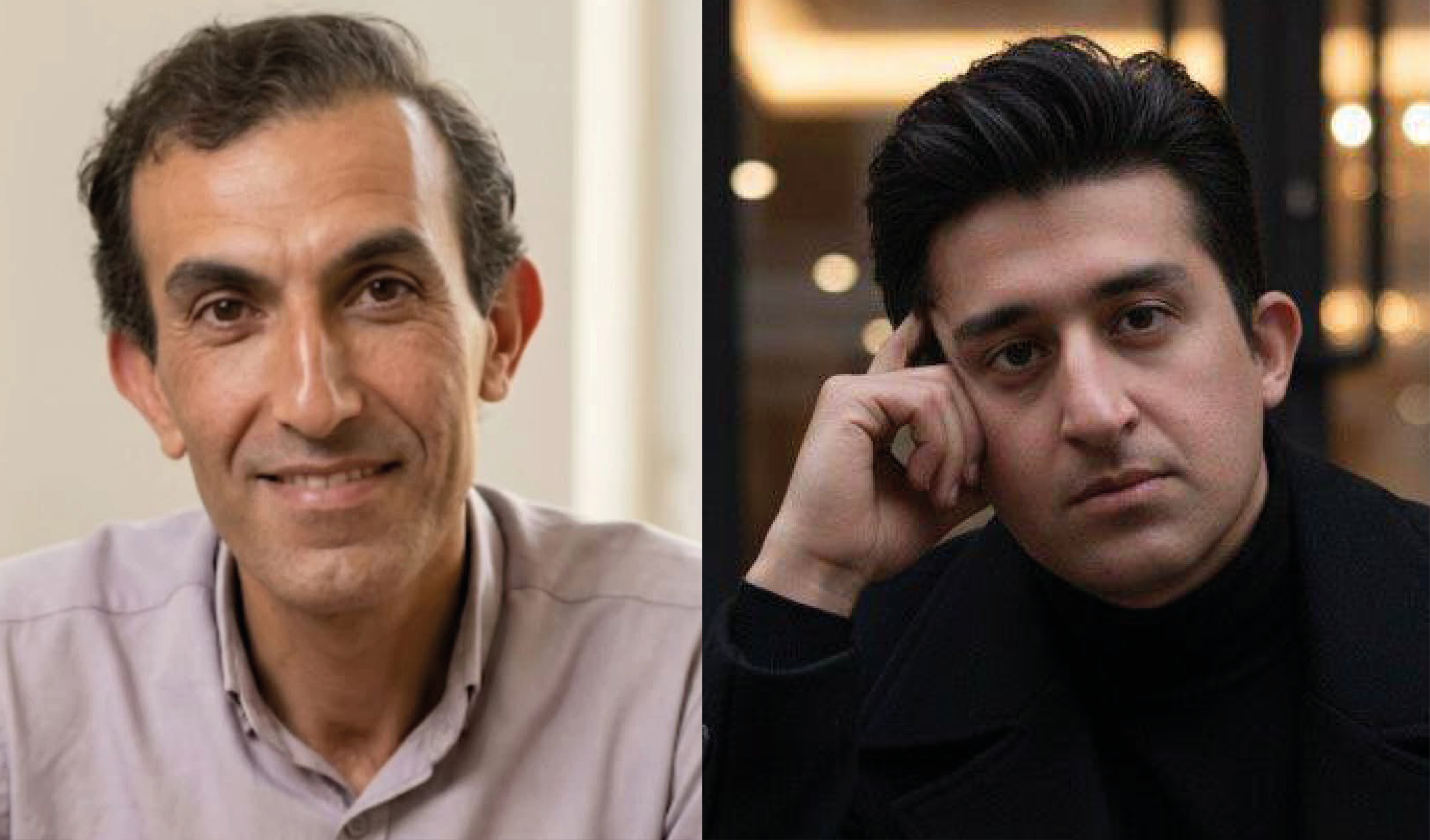
Abolfazl Salehi Siavashani, 51 (left photo), Shahab Zohdi, 38 (right photo), and Yaser Rajaifar were arrested at the 8 January protests in Tehran. They were defendants in a case of seven, accused of attacking an IRGC base in Tehran. Ten days after arrest, on 18 January, state media aired the forced confessions of five of the defendants. In the video, they were referred to as “deceived youth” who were “directed by American-Zionist terrorist elements” to attack the IRGC base in Tehran. They were sentenced to death on 8 February by Branch 15 of the Tehran Revolutionary Court, presided over by “Death Judge” Salavati, on charges of moharebeh (enmity against God) and efsad-fil-arz (corruption on earth) through the arson of an IRGC base in Tehran. The sentence was upheld by Branch 9 of the Supreme Court and the subsequent appeal was rejected. Four of the defendants in this case were hanged during the Israel and the United States’ 40-day war against Iran. They are detained in Ghezelhesar Prison.
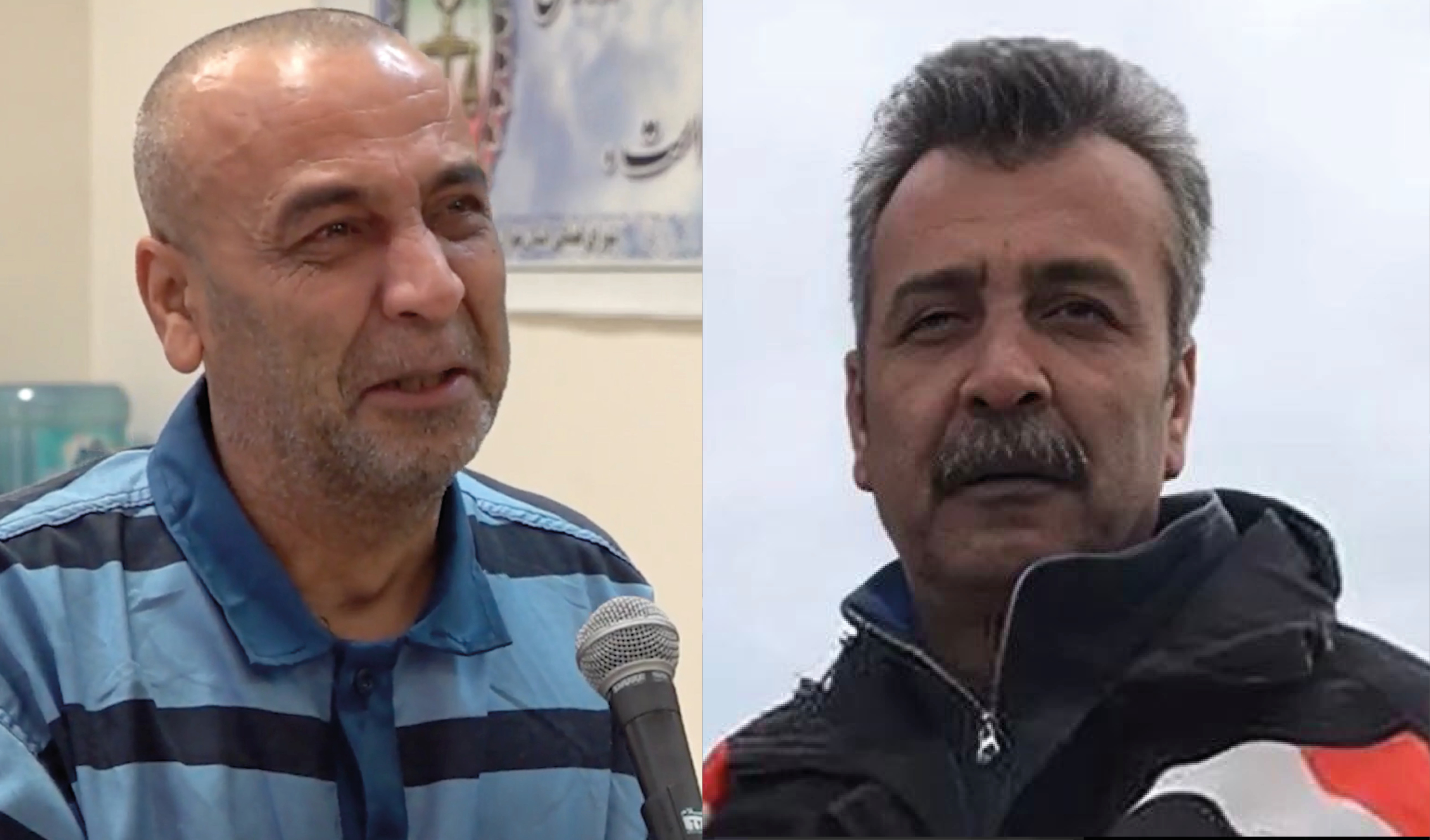
Mohammadreza Tabari is a 50-year-old native of Bojnourd. He voluntarily surrendered to authorities after participating in the protests in Baharestan, Tehran, on 8 January. During his trial, which was broadcast by state media on 7 February, he appeared visibly distressed and was reprimanded by the judge. His court-appointed lawyer offered no substantive defence, merely requesting a mitigated sentence based on his surrender. Mohammadreza was sentenced to death by the Tehran Revolutionary Court on the charge of “moharebeh (enmity against God) by brandishing a firearm with the intention of intimidating the public and the security forces, as well as carrying out operational actions in support of monarchist groups affiliated with the accursed Zionist regime, and instilling public fear and terror by firing at security forces.” According to informed IHRNGO sources, Mohammadreza was transferred to Ghezelhesar Prison on 10 January, where he is currently held.
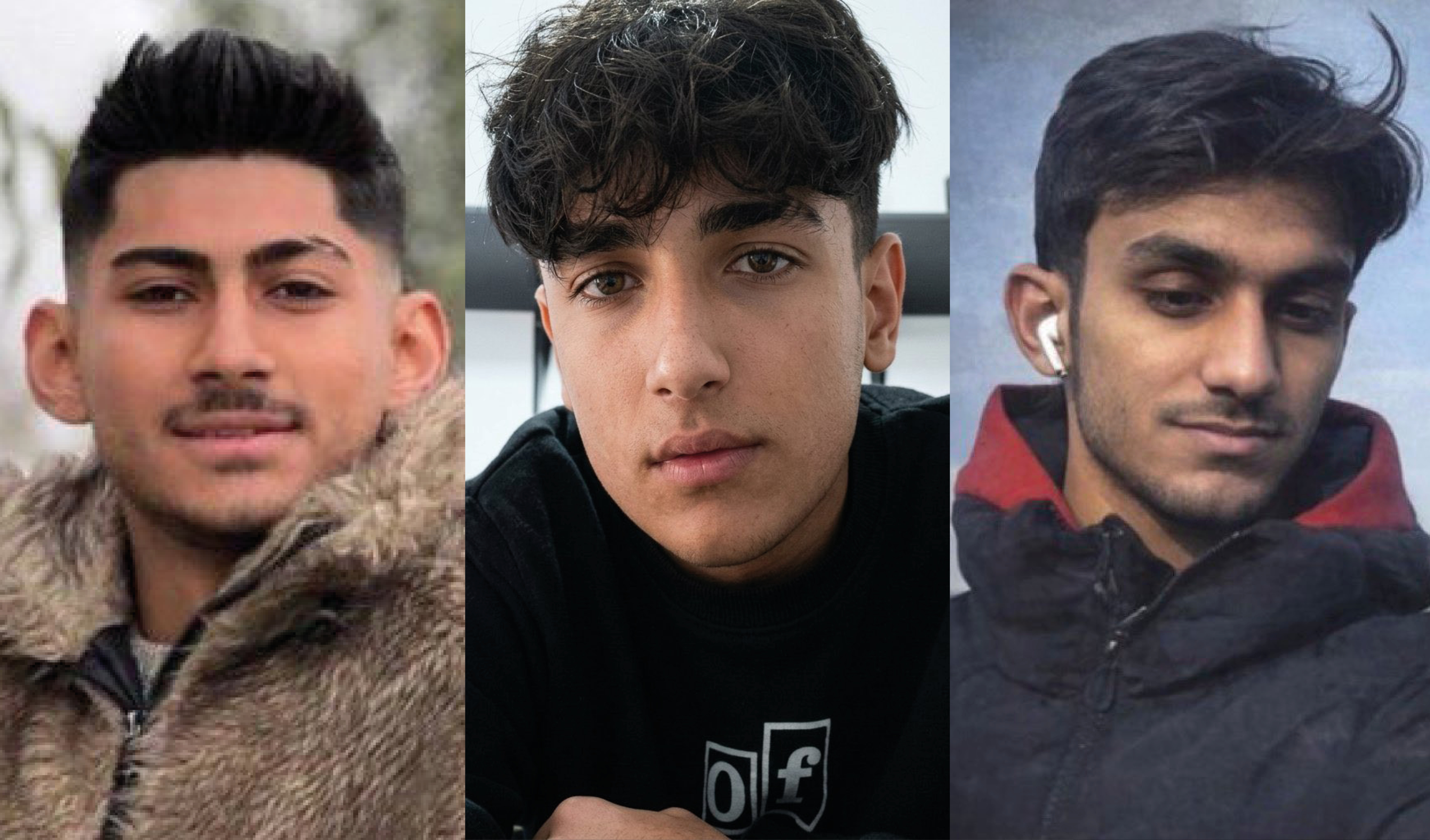
Ehsan Hosseinipour Hesarlu,19, Matin Mohammadi, 17, Erfan Amiri, 17 (pictured left to right) and Maryam Hodavand were accused of attacking Seyed al-Shohada Mosque in Pakdasht on 8 January, leading to the deaths of two people. The trial of the three teenage boys was aired on 14 February. It was later reported that Maryam had been added as a co-defendant to this case. They were sentenced to death on charges of “operational action against internal security through effective participation in the unrest of 8 January in Pakdasht county; assembly and collusion to be present and act against the country’s internal security following calls circulated on hostile social media, particularly by the President of the United States and the usurping Zionist regime; participation in the killing of two young defenders of the country’s security during a sacred month; the deliberate arson of Seyed al-Shohada Mosque; and the destruction of public property.” They were tried by Branch 26 of the Tehran Revolutionary Court, presided over by Judge Iman Afshari.
Human rights lawyer Milad Panahipour, Ehsan Hosseinipour’s chosen lawyer, warned that the state's case is devoid of factual evidence and built entirely on torture-tainted confessions. According to Panahipour, authorities suppressed footage of the first two trial sessions where Ehsan testified that armed officers extracted his confessions by forcing a weapon into his mouth, choosing instead to broadcast a later confession filmed without legal counsel present. Furthermore, Panahipour highlighted glaring chronological inconsistencies, noting that Ehsan was arrested two hours before the alleged mosque arson even began, does not appear in any footage of the attack, and has his alibi fully corroborated by judicially obtained mobile phone location data.
On 23 April, it was reported that their sentences had been upheld by the Supreme Court.
On 29 April, it was reported that Milad Panahipour and Amir Raesian had been summoned for their efforts in the case. They were indicted on charges of “publishing falsehoods and propaganda against the system” before being released on bail.
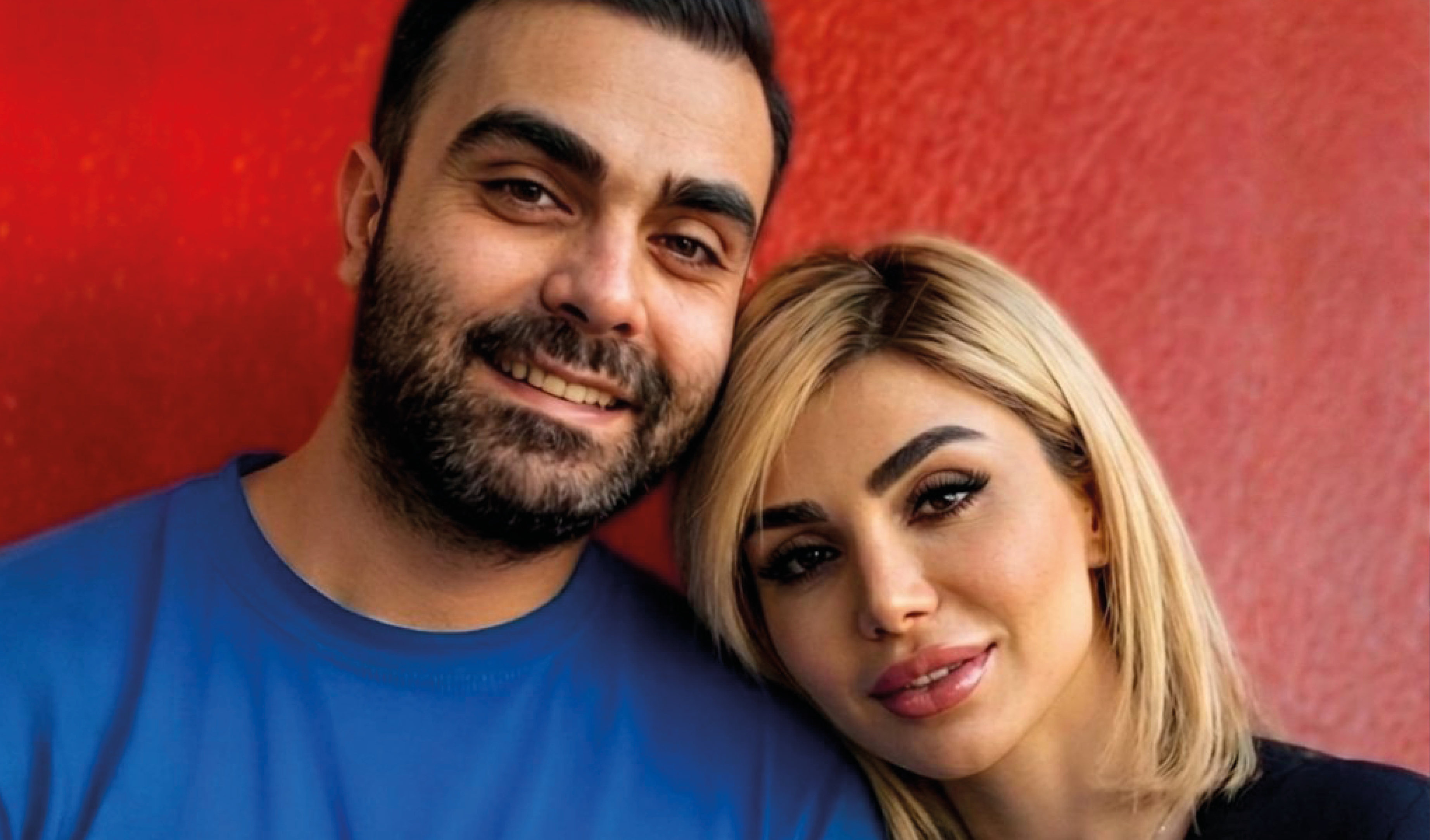
Mohammadreza Majidi Asl, Bita Hemati, Behrouz Zamaninejad and Kourosh Zamaninejad, a couple (photo) and two brothers, were arrested in relation to protests in Tehran. On 15 January, state media aired Bita’s forced confessions in the presence of Mohseni Ejei, Iran’s Head of Judiciary. In the video, she “confesses” to throwing a concrete block at one of the security forces on her own, and throwing the other blocks down with her partner and brother. They were sentenced to death by Branch 26 of the Tehran Revolutionary Court on charges of “operational action for the hostile government of the United States and terrorist groups (anti-revolutionary and monarchist)” through “chanting subversive slogans, using explosives, incendiary materials, and cold weapons, injuring hundreds of innocent citizens and security defenders, destroying and setting fire to public property, and throwing cement, concrete blocks, and empty glass bottles from a roof onto the heads of security defenders, which included the specific injury of a stationed Basij member.”
Majid Nasiri, 29, Shahab Dadkhah, 34, and an unidentified man are co-defendants in the same case. They were sentenced to death on charges of “arson of a military base and the murder of a special unit officer” by the Shiraz Revolutionary Court. They are held in Shiraz (Adel Abad) Central Prison.
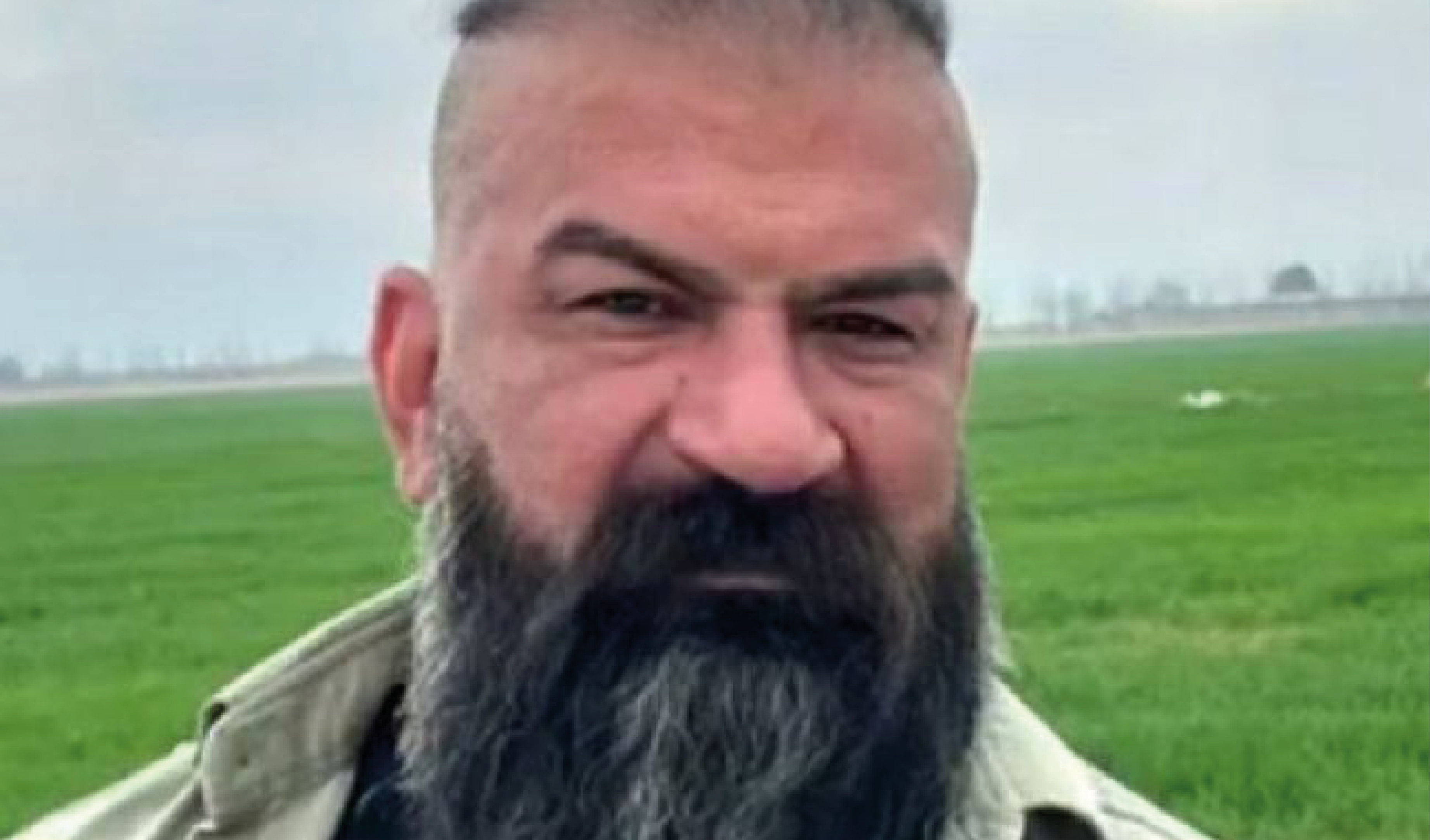
Ebrahim Dolatabadi, a father of two, was arrested in relation to the protests in Mashhad. According to Hengaw Organisation for Human Rights, he was sentenced to death by Branch One of the Mashhad Revolutionary Court on charges of moharebeh.
***
It is important to note that once a case is treated as a national security matter, defendants lose the right to have lawyers of their choice. Article 48 of Iran’s Code of Criminal Procedure grants suspects the right to request a lawyer of their choice in the pre-trial phase. However, a Note added to the Article in 2015, limits this right for those accused of “crimes against internal or external security” to a list of government-approved lawyers during the preliminary phase.
The execution of protesters arrested in relation to December 2025–January 2026 began on 19 March. Authorities have announced the execution of nine protesters thus far. Saleh Mohammadi, Saeed Davodi and Mehdi Ghasemi were hanged in Qom Central Prison on 19 March. Amirhossein Hatami, was hanged on 2 April. His co-defendants, Mohammad Amin Biglari and Shahin Vahedparast were also hanged in Ghezelhesar Prison on 5 April, and Ali Fahim was hanged at the prison on 6 April. Amir Ali Mir Jafari was hanged on 21 April and Erfan Kiani was hanged on 25 April.
More from @ihrights
IHRNGO is building a strong civil society, through empowerment of the citizens, promoting and defending the human rights.
Latest Cartoon
Latest Report