At Least 152 Executions in November 2025; 1,426 Hanged in 11 Months
Iran Human Rights (IHRNGO); December 4, 2025: At least 152 people were executed in November 2025, including five women, four Afghan nationals, an Iraqi national, seven Kurds, five Baluch and an Arab minority. IHRNGO has recorded 1,426 executions in the first eleven months of 2025, a 70% increase compared to the same period in 2024.
Iran Human Rights, once again stressing the urgent need for serious attention from the public and the international community to the issue of executions in Iran, calls for a strong response from Iranian and international cultural, political and civil figures to the current wave of executions in the country.
IHRNGO Director, Mahmood Amiry-Moghaddam stated: "The world must not grow accustomed to daily executions in Iran. In November, an average of five people were executed every day, yet no government, including those with diplomatic relations with Iran and longstanding commitments to human rights, publicly addressed this alarming pattern. These executions scarcely appeared in the global news cycle. Sustained silence only emboldens further abuses, because there are no limits to how far the Islamic Republic’s leaders may go in their atrocities.”
November 2025 Executions at a Glance:
- At least 152 were executed in November 2025
- Only 10 of the executions (3%) were reported by official sources
- 73 people (48%) were on death row for drug-related offences
- 73 people (48%) were sentenced to qisas (retribution-in-kind) for murder
- 6 people were executed for rape charges
- 5 women were executed
- 7 Kurds, 5 Baluch and an Arab minority were amongst those executed
- 4 Afghan nationals and an Iraqi national were executed
- 2 of the executions were carried out in public spaces
At least 1,426 executions were recorded in the first eleven months of 2025, a 70% increase compared to the same period in 2024 when 836 executions were recorded. Of the 1,426 executions, 697 were on death row for drug-related offences, 641 were sentenced to qisas for murder, 53 for the security-related charges of efsad-fil-arz (corruption on earth), baghy (armed rebellion) and moharebeh (enmity against god), and 35 for rape charges. Of those, only 99 or less than 7% were announced by official sources.
Amongst those executed were 41 women, 74 Afghan nationals, an Iraqi national, a man only referred to as a “foreign national,” 132 Baluch, 79 Kurds and 26 Arabs. Ten of the executions were carried out in public spaces.
Some of those executed in November 2025:
Executed for Drug Offences Based on Elme Qazi
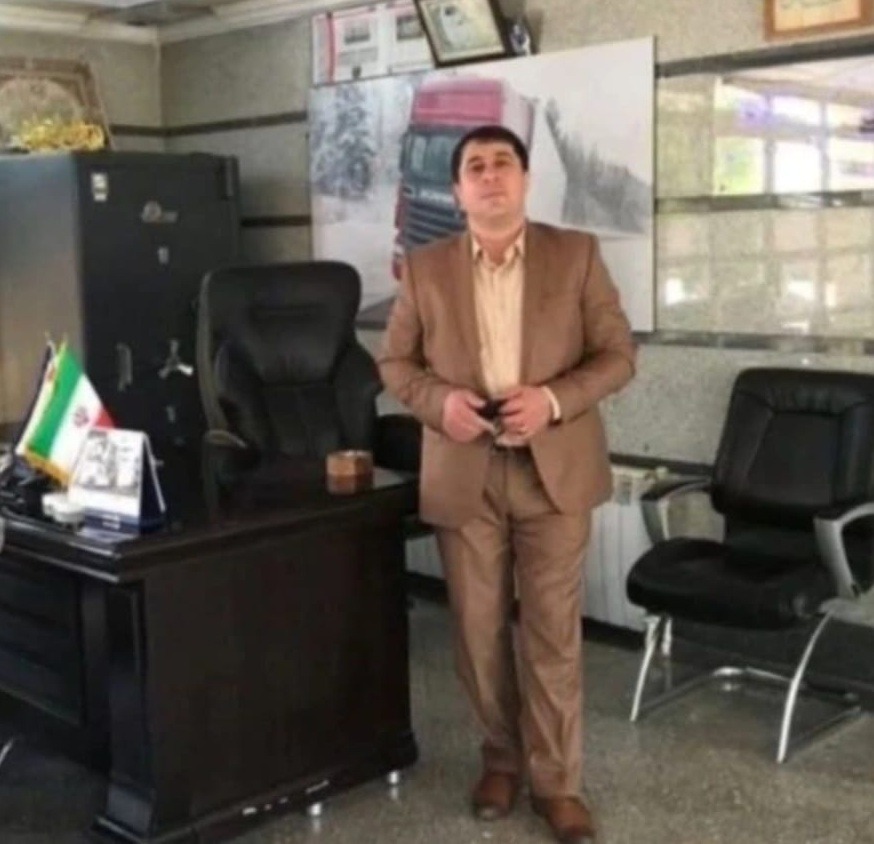
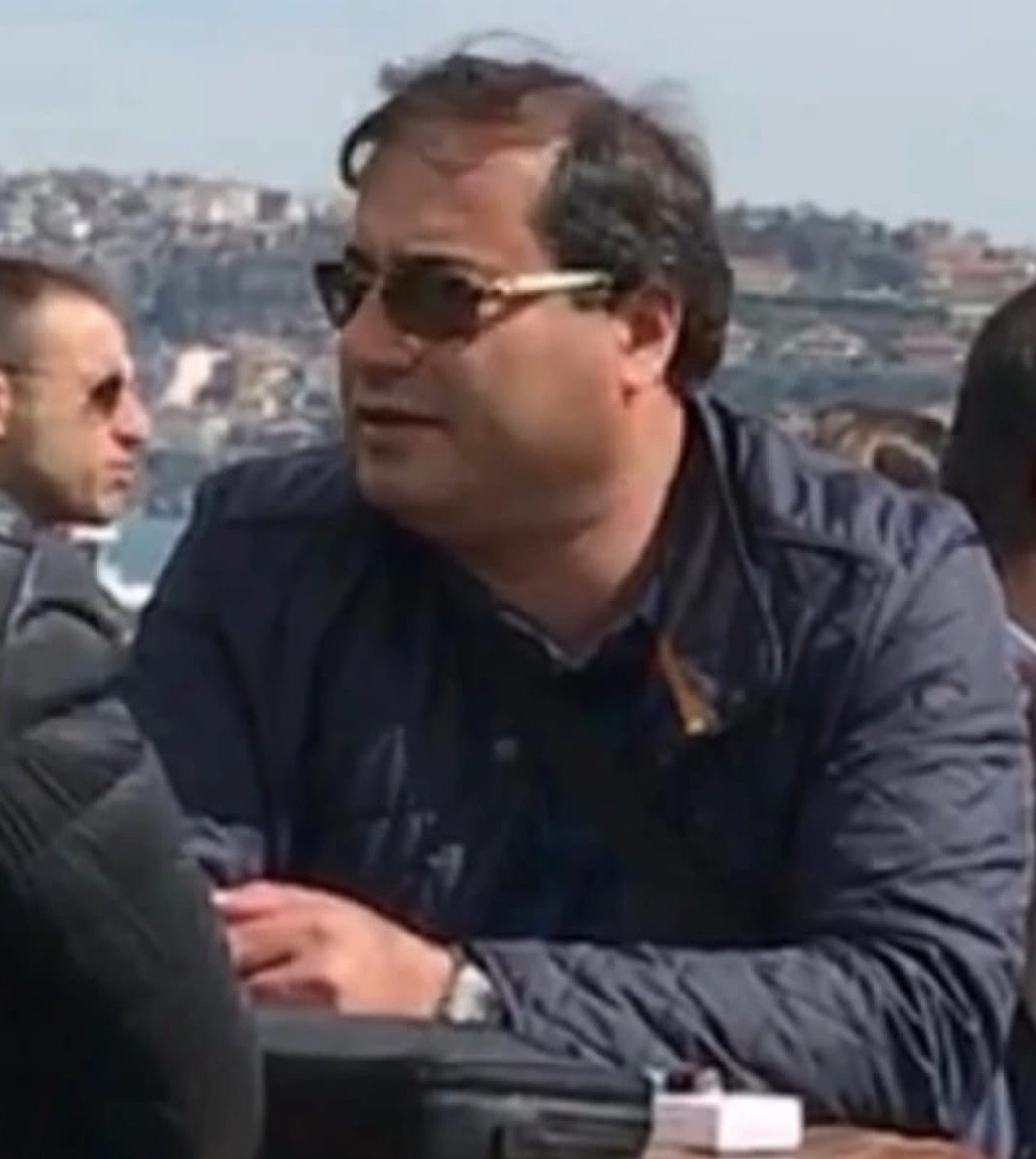
Mohammadreza Badavi (right photo), a 48-year-old Kurdish father of four, Reza Molayi (left photo), a 48-year-old Kurdish man, and Mehdi Hosseini, a 46-year-old Turkish man were arrested in a joint case six years ago. According to informed IHRNGO sources: “No drugs were ever discovered. They were sentenced to death on drug-related charges by the Revolutionary Court based on elme qazi (knowledge of the judge).” They were hanged in Urmia (Darya) Central Prison on 9 November.
According to the Islamic Penal Code, when there is no confession or witness testimony in a case, the judge can make a decision based on his exclusive opinion, without any reference to laws and codes. This is known as elme qazi or “knowledge of the judge.” The law requires that rulings based on a judge’s “knowledge” derive from evidence, including circumstantial evidence, and not merely personal belief that the defendant is guilty of the crime. However, IHRNGO has recorded many cases where elme qazi has been arbitrarily applied.
Hanged Due to Inability to Pay Blood Money in Self-Defence Case
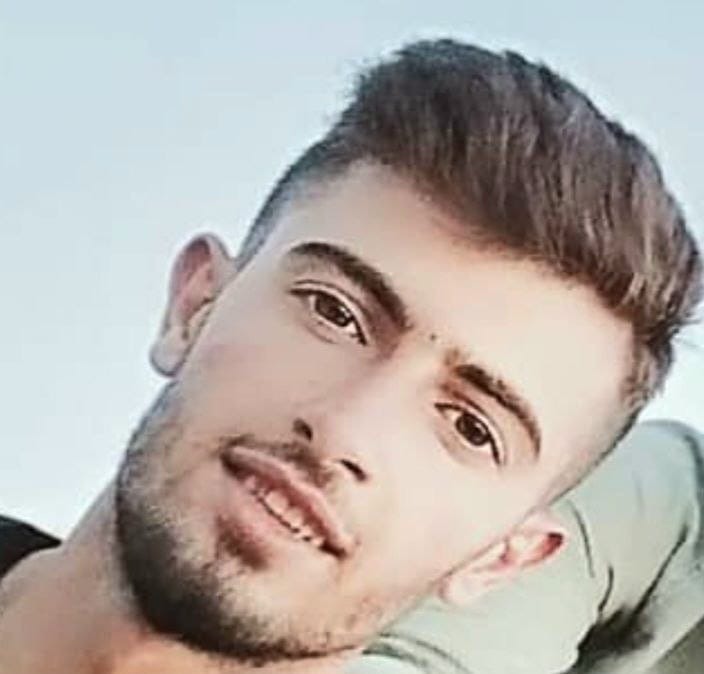
Mozafar Rahman was 20 years old when a burglar broke into his property to steal his sheep. An altercation ensued in which “he hit the burglar on the head with a shovel, causing brain damage and ultimately, death. He always maintained he didn’t mean to kill him.” However, he was sentenced to qisas (retribution-in-kind) for murder. The victim’s family agreed to forgo their right to execution and instead, demanded 10 billion tomans as diya (blood money). With mediation of other villagers and elders, it was reduced to 7 billion tomans and again, to 5 billion tomans, an amount that Mozafar’s family still could not afford. He was executed in Neishabur Prison on 11 November.
Executed for Unintentional Killing in Self-Defence Against Rape as Teenager
Alireza Forouhandeh was arrested for unintentionally killing a man when he was 18 years old. In court, he testified that the victim was drunk and had attempted to rape him. In self-defence, Alireza had hit him on the head with a stone which led to his death. Yet, Alireza was still sentenced to qisas for murder. At 23, he was hanged in Ardabil Central Prison on 23 November.
Parents to 3 Young Children Secretly Hanged for Drug Offences
Mina Sadoughi and Farokh Pourfarzi were Karaj natives and parents to three children aged 7, 9 and 11. They were arrested for allegedly carrying 65 kilograms of narcotics around 19 months ago. Mina and Farokh were sentenced to death on drug-related charges and secretly executed in a group hanging of eight in Shiraz (Adel Abad) Central Prison on 26 November. Without their families being notified in advance, they were also deprived of last family visits and the opportunity to say goodbye.