Transition Without Coalition Is Impossible
Transition Without Coalition Is Impossible
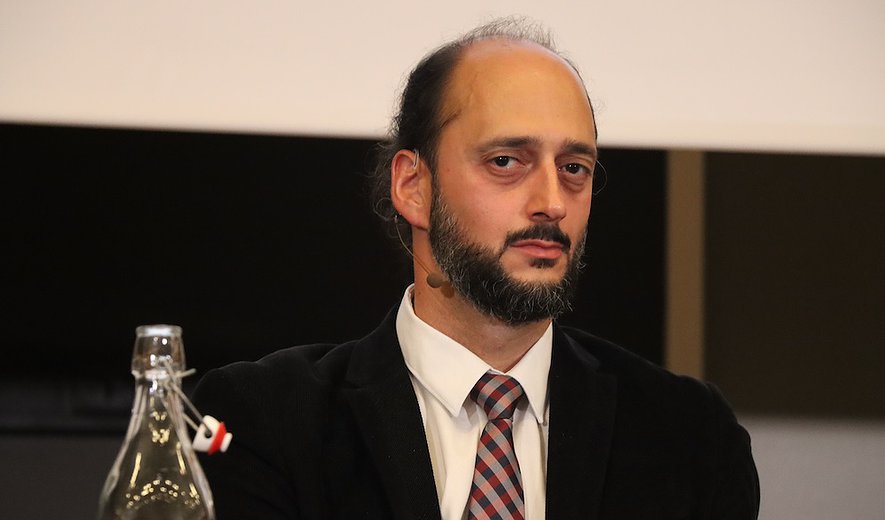
Ammar Maleki, assistant professor of political science at Tilburg University in the Netherlands and director of the Gamaan Research Institute, stressed that no single political current in Iran has the strength to bring about fundamental change. Speaking at the conference “Transition and Safeguarding Citizens’ Rights in Iran” in Oslo on 31 August 2024, he argued that while authoritarian regimes may fall, “our central concern must be transition to democracy, not to another form of despotism.”
Pointing to Iran’s political, economic and identity diversity, Maleki said pluralism is a fundamental reality that political actors cannot ignore. Drawing on Gamaan’s surveys, he explained that Iran’s society is far more layered than the usual reformist–hardliner divide. While a large share of the public favours a complete break from the Islamic Republic, others prefer deep reforms or seek to preserve the system.
During the “Woman, Life, Freedom” movement, support for regime change rose from 40% to 60% but later fell back, he noted. Around 10% of citizens shift positions in critical moments, giving them disproportionate influence. Although 89% endorse democracy as the ideal form of governance, about 40% also express support for authoritarian structures with lifelong rulers—a reminder, Maleki said, that authoritarian leanings remain embedded in society.
Survey results from June 2024 showed 27% identifying as republican, 22% monarchist, around 20% still supporting the Islamic Republic, and over 20% undecided. “No political camp commands more than 30%,” Maleki observed. “Change is only possible through cooperation and coalition.”
Within each camp, divisions persist: some monarchists favour absolute rule, others constitutional monarchy; some republicans back lifetime presidencies, others a democratic republic. Maleki argued that authoritarian forces, divided by their own contradictions, are less capable of constructive alliances. By contrast, democracy advocates have a better chance, provided they commit to pluralism, elected officials with term limits, territorial integrity with decentralisation, and respect for human rights.
He concluded: “If democracy is to be realised, pro-democracy forces must unite around shared principles. Any attempt to deny pluralism will only lead Iran into political deadlock.”
Translated from Farsi via machine translation and lightly edited for clarity.
More from @ihrights
IHRNGO is building a strong civil society, through empowerment of the citizens, promoting and defending the human rights.
Latest Cartoon
Latest Report