Governing in Transition: Fears and Hopes
Governing in Transition: Fears and Hopes
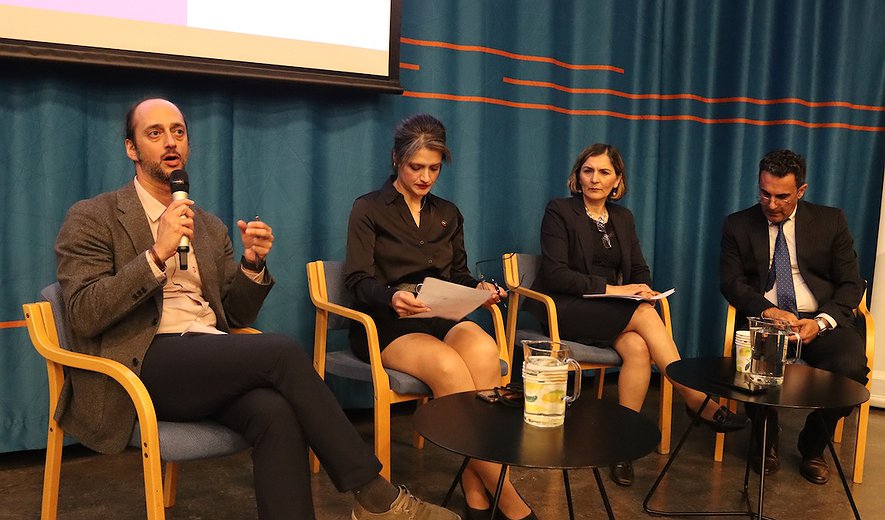
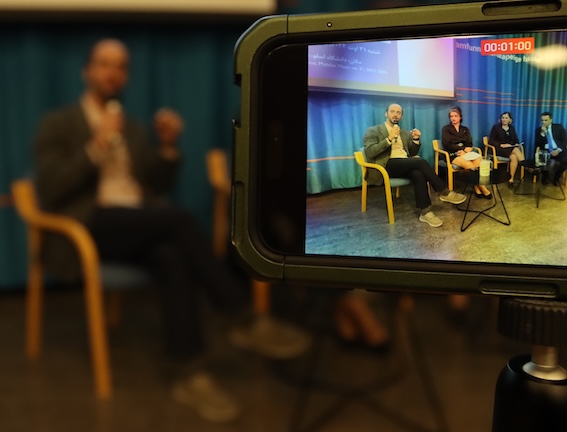
The second Q&A of the conference "Transition and Safeguarding Citizens’ Rights in Iran" took place at the University of Oslo on 31 August 2024. Moderated by Roya Karimi-Majd of Radio Farda, the session fielded questions from the audience to a panel of experts: Ammar Maleki, a political scientist; Forough Kanani, a sociologist; Simin Sabri, a psychologist and women’s-rights activist; and Mansour Sohrabi, an ecologist and environmental scientist. The discussion examined how Iran might be governed in a transitional period.
Maleki, asked how to prevent the rise of a new autocracy, cited survey data showing that around 40% of Iranians hold authoritarian leanings. If pro-democracy forces fail to unite and engage the apathetic, he warned, better-organised authoritarian minorities could seize control. Only a minimal coalition on shared principles can block that danger.
Kanani challenged the idea that all movements need a singular leader. The “Woman, Life, Freedom” protests, she said, lacked central leadership yet still imposed lasting social change, particularly in women’s public safety. From that perspective, it was a revolutionary development.
Sabri, asked whether democracy could solve deep inequalities, argued that democracy is not an end but a tool. Even in Norway, gender discrimination persists. Real progress, she said, requires organisation by women, minorities and other marginalised groups; elections alone cannot deliver justice.
Sohrabi addressed questions about ethnic discrimination, rejecting claims of Kurdish indifference to other minorities. He pointed to Kurdish groups covering national issues and reminded the audience of past cross-ethnic cooperation. He also stressed that sustainable development and environmental protection must be central to any transition: “Without water, without climate planning, and without participatory democracy, political freedom is meaningless.”
Karimi-Majd turned again to Maleki, asking what value there was in Iran’s pluralism. Maleki replied that pluralism was a fact, not a virtue: no one advocates it as such, but it cannot be wished away. No political force in Iran, he argued—not monarchists, not republicans, not even the Islamic Republic—commands an absolute majority. Without cooperation, transition will prove impossible. Social and political diversity, he added, must be recognised, and political actors must learn to work together; otherwise, none will be capable of governing. Kanani emphasised setting democratic red lines to prevent authoritarian relapse, while Sabri insisted that a future constituent assembly must include representatives of the discriminated to ensure legitimacy.
The session ended on a serious, sometimes tense note, including criticism of Kanani’s attire. She dismissed it as evidence of lingering prejudice, while the moderator reminded the audience that women’s appearance should not be policed. Despite such distractions, the core message was clear: Iran’s transition must be inclusive, pluralist and anchored in sustainable democracy.
Translated from Farsi via machine translation and lightly edited for clarity.
More from @ihrights
IHRNGO is building a strong civil society, through empowerment of the citizens, promoting and defending the human rights.
Latest Cartoon
Latest Report