Lawyers in Transition: a Double-edged Role
Lawyers in Transition: a Double-edged Role
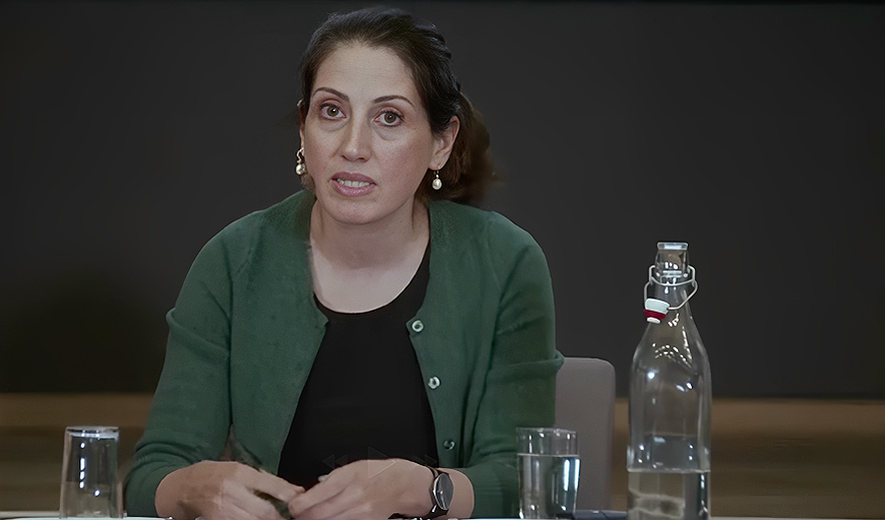
Afrooz Maghzi, a researcher at the University of Erlangen–Nuremberg and a practising lawyer in Iran, told a conference in Oslo that lawyers will be both indispensable and contested actors in any future transitional justice process.
Speaking at the “Justice in Transition: Challenges and Solutions” conference organised by Iran Human Rights on 2–3 September 2023, Maghzi argued that while lawyers are a vital pillar of civil society, their role must not overshadow the voices of victims. “Lawyers can help design transitional mechanisms, sit on truth commissions, shape amnesty criteria, pursue prosecutions and reform laws,” she said. “But truth-seeking must remain rooted in survivors’ experiences.”
She pointed to contrasting precedents. In Chile, truth commissions staffed largely by lawyers were criticised for silencing survivors and omitting perpetrators’ names. By contrast, South Africa limited lawyers’ involvement, ensuring that victims remained at the centre of proceedings while guaranteeing legal counsel for both victims and the accused. “If professionals dominate,” she warned, “the grassroots essence of transitional justice is lost.”
Maghzi stressed that in other arenas, lawyers’ expertise is irreplaceable. Amnesty commissions, with their quasi-judicial functions, require legal input. Prosecuting human rights violators—whether in international courts, foreign jurisdictions with universal jurisdiction, or domestic tribunals—also depends heavily on lawyers. Yet prosecutions are fraught: even a decade after South Africa’s truth commission released its findings, many perpetrators remained untried.
Persistence matters. Maghzi highlighted Chilean human-rights lawyers who, during Pinochet’s rule, kept filing cases on disappearances and killings despite knowing they would not be heard. Their work became the evidentiary backbone for later prosecutions. In Tunisia, bar associations went further, monitoring transitional processes and presenting themselves as guardians of fair trial standards—a role that helped win them the 2015 Nobel Peace Prize.
Yet lawyers themselves are not beyond scrutiny. Truth commissions in Tunisia and Chile investigated the complicity of bar associations under dictatorship. In South Africa, the legal profession’s role in sustaining apartheid was examined. Some lawyers claimed they could not act beyond the law; the commission rejected this, finding their silence had buttressed oppression.
Turning to Iran, Maghzi asked whether its lawyers and bar associations are prepared for such a role. She noted that despite purges after 1979 and decades of curtailed independence, a minority of lawyers have continued to resist rights violations, often at great personal cost. Many have been arrested, disbarred or imprisoned. In the past year alone, she said, 100 lawyers were summoned to the Evin prosecutor’s office and 40 were detained. “Despite repression,” she said, “lawyers remain among the strongest voices for justice in Iran.”
She cited recent initiatives, such as lawsuits against senior officials over their handling of the Covid-19 crisis, and legal representation for protest victims injured by state violence. Yet she also questioned the bar’s institutional record: how far has it defended human-rights lawyers, supported women in the profession or resisted systemic discrimination?
Maghzi concluded with a warning. A proposed law transferring control over lawyers’ licences to the Ministry of Economy would, she said, spell the end of professional independence. “Losing the independence of lawyers,” she argued, “means losing one of the most effective forces for transitional justice in tomorrow’s Iran.”
Translated from Farsi via machine translation and lightly edited for clarity.
More from @ihrights
IHRNGO is building a strong civil society, through empowerment of the citizens, promoting and defending the human rights.
Latest Cartoon
Latest Report